
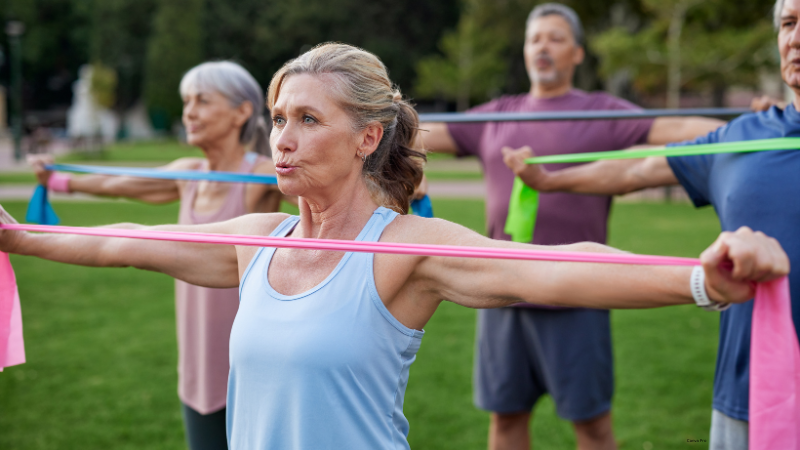

Strength training boosts muscle, bone, and brain health, aids weight management, improves daily function, and supports chronic condition management—ideal for all ages and fitness levels.
Strength training helps you burn fat, build muscle, and increase your body’s calorie-burning capacity. This basic workout method is an essential piece of staying fit and healthy. It can help everyone, regardless of age or fitness level.
Why keeping muscles strong matters
As people grow older, they experience muscle loss over a period of time. If you do not take steps to rebuild muscle, your body will have a higher fat percentage as the years go by. Weight training is an effective way to keep and grow your lean muscle mass, no matter your age.

There are many other benefits of strength training:
- Make bones stronger. Resistance training builds bone mineral density by putting controlled pressure on your bones. This can help lower the risk of problems like osteoporosis.
- Help manage weight. Weight training exercises play a crucial role in weight management. They help your body burn calories more efficiently by boosting your resting metabolic rate.
- Make daily life easier. Doing resistance training often can make it easier to handle daily tasks. It helps protect your joints, improve your stability, and reduce your risk of falling, making it easier to maintain functional independence as you age.
- Help manage health issues. Regular strength training can reduce symptoms tied to chronic conditions like arthritis, back pain, obesity, heart issues, depression symptoms, and type 2 diabetes. It can also improve blood pressure, insulin sensitivity, and glucose metabolism.
- Improve brain health. Research shows that combining resistance training with aerobic workouts may boost cognitive function and learning in older adults. It may also increase BDNF (Brain-Derived Neurotrophic Factor) production, which supports brain health.
You may also read: Key Stretching Exercises for Winter Muscle Tension
Ways to start resistance training
You can do weight training anywhere, whether it’s at home or in a gym with more gear. Popular methods include:
- Using your body weight. Lots of great bodyweight exercises don’t need much equipment or any at all. Try pushups, pullups, planks, lunges, or squats to build core strength and upper body muscles.
- Resistance bands and tubing. These inexpensive and easy-to-carry tools let you adjust resistance while you work out. You can find them at sports stores or buy them from online shops.
- Free weights. Dumbbells and barbells are still favorites for building muscle strength. You can even use common household items, such as cans, instead. Kettlebells and medicine balls also make great options.
- Weight machines. Gyms often have different resistance machines for strength training, but you can also get smaller versions for home use.
- Cable suspension training. This creative method uses special cable systems to let you suspend your body for moves like pushups or planks, enhancing movement control and functional strength.
You may also read: Physical Fitness for Older Adults: Enhancing Physical Wellness
Starting your fitness journey
People over 40, individuals with long-term health issues, or those who haven’t been active should talk to a doctor before beginning a resistance training program.
Always kick off strength training sessions with about 5 to 10 minutes of cardio, like fast walking or slow jogging. This warm-up is important because muscles that are not warmed up are more prone to injury.
Pick weights or resistance that make your muscles feel tired after 12 to 15 reps. If it starts feeling too easy to finish your reps, up the weight or resistance to keep it challenging.
Research shows that doing just one set of 12 to 15 reps with the right amount of resistance can help most people build muscle just as well as doing three sets. The important factor is pushing the muscle to fatigue, meaning you can’t do another rep. This triggers the body to strengthen the muscle. Using higher reps means working with lighter weights, which makes it easier to focus on good form and stay in control during the exercise.
You may also read: Relationship between Exercise and the brain
To give muscles time to recover and adapt, you should rest for a full day before working out the same muscle group again.
Pay attention to what your body tells you. Stop right away if you feel pain while lifting weights or doing a strength exercise. You can either use lighter weights or wait a couple of days before trying it again.
Using the right form and technique plays a big role in effective resistance training. If you are new to lifting weights, it might help to train with a certified fitness coach to learn how to move the right way. Always remember to keep your breathing steady during your workout.
Seeing results
You don’t need to spend hours lifting weights to see progress. With two or three sessions a week, each lasting 20 or 30 minutes, you can already notice your muscle strength improving.
The Department of Health and Human Services has clear exercise guidelines for healthy adults:
- Aerobic exercise: Do around 150 minutes of moderate aerobic activity or 75 minutes of more vigorous activity each week. You can also mix the two. Spread your workouts across the week. More activity adds extra health benefits, but even short bursts of exercise can help you stay healthy. Squeezing in short movement sessions throughout the day can make a difference.
- Strength workouts: Work on strengthening all your major muscle groups at least two times a week. Aim to do one set of each exercise with enough weight or resistance so your muscles feel tired after doing 12 to 15 repetitions.
When you include resistance training in your workout plan, you will see steady gains in how strong you are. The growth in your lean muscle mass will boost how well you manage weights and let you endure longer workout sessions. If you stay consistent, you will keep getting stronger, no matter how fit you were at the start.
You may also read: Exercise and mental health: The science behind the mood boost
Incorporating resistance training into your fitness routine can lead to numerous benefits beyond just building muscle. It can help with fat loss, improve cardiovascular health, enhance metabolic health, and even boost self-esteem. For older adults, it can counteract aging factors that lead to muscle loss, improve walking speed, and maintain functional independence.
Whether you’re dealing with specific health issues like fibromyalgia or simply want to improve your overall quality of life and physical performance, resistance training is a powerful tool. By combining it with a balanced diet and regular aerobic exercise, you can create a comprehensive approach to health and fitness that will serve you well throughout your life.
Source:
Mayo Clinic (April 29, 2023). Strength training: Get stronger, leaner, healthier. https://www.mayoclinic.org/healthy-lifestyle/fitness/in-depth/strength-training/art-20046670
#strength_training_benefits_for_older_adults, #how_to_start_resistance_training_at_home, #best_bodyweight_exercises_for_muscle_building, #resistance_training_for_weight_management, #strength_training_to_improve_bone_density, #beginner_strength_training_workout_plan, #resistance_bands_exercises_for_beginners, #strength_training_for_chronic_disease_management, #benefits_of_strength_training_for_brain_health, #safe_strength_training_tip_for_seniors, #resistance_training_to_boost_metabolism, #strength_training_routine_for_functional_independence