
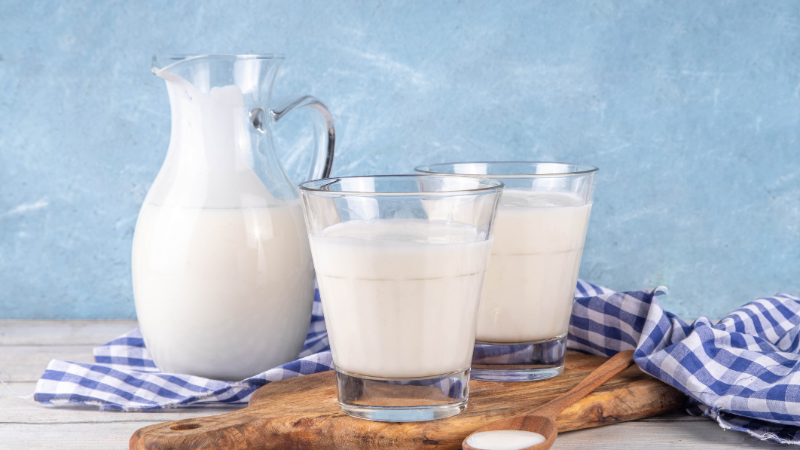

Probiotic drinks offer diverse benefits for gut health by providing live cultures, supporting digestion, immunity, and overall wellness through fermented beverages like kombucha, kefir, and specially crafted sodas.
Probiotic drinks such as Poppi, Olipop, and Culture Pop are popular at local events, and you might even see friends enjoying draft kombucha during evenings out. These fermented drinks provide probiotics and claim to boost gut health. They often include live cultures that may diversify the microorganisms in the gut.
Being mindful about what we eat matters. This is true for the 60-70 million Americans experiencing digestive issues. But the big question is whether these probiotic and prebiotic drinks help keep our digestive system healthy and improve overall well-being.
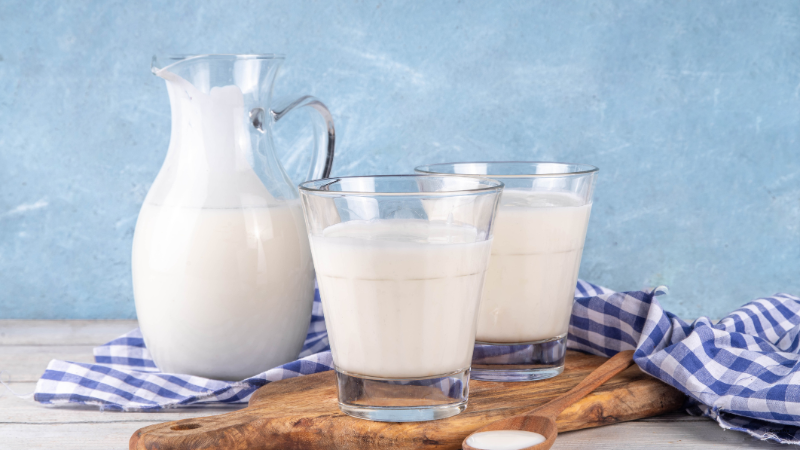
Lioudmila V. Karnatovskaia M.D., a specialist in critical care and a researcher focused on digestive health from Mayo Clinic in Rochester Minnesota, explains that how well these fermented drinks work depends on which type you pick. People credit their benefits to probiotics and other natural compounds found in the drinks.
Dr Karnatovskaia addresses frequently asked questions about digestion and these beverages. She discusses how probiotics and prebiotics work, how often to consume them, and the differences among options such as kombucha, kefir, and others.
Although people sometimes confuse them, probiotics and prebiotics each play unique roles. They support gut bacteria and aid in improving digestive enzyme function.
Probiotics are living microorganisms that are good for you and come from fermented food. These include bacteria and yeast that inhabit the digestive system. People often call them “friendly bacteria,” and you can find them in foods like yoghurt, pickles, kimchi, sauerkraut, and some cheeses. Studies show they help keep the gut healthy, improve digestion, enhance nutrient absorption, and promote the production of short-chain fatty acids (SCFAs).
You may also read: Summer Food Guide: Beat the Heat With Smart Eating Choices
Dr. Karnatovskaia says probiotics and SCFAs play a key role in keeping the gut barrier strong. They help regulate mood, reduce inflammation, enhance immune function, and balance energy levels. Studies show they might also help fight inflammation and even have cancer-fighting benefits. Some research indicates that certain probiotic strains may help manage cholesterol levels. “This area is still being studied, so a lot of the results aren’t being used in medical practice yet,” Dr Karnatovskaia mentions.
Prebiotics are non-living substances that the body does not digest. They act as food for good bacteria in the gut. Think of them as natural fertilizers for your body. Just like fertilizers help plants grow in a garden, prebiotic foods help healthy bacteria grow in your gut. Foods like legumes whole grains, bananas, oats, asparagus, onions, and garlic are examples. Once these prebiotics reach the large intestine, gut bacteria ferment them to create SCFAs and other organic acids.
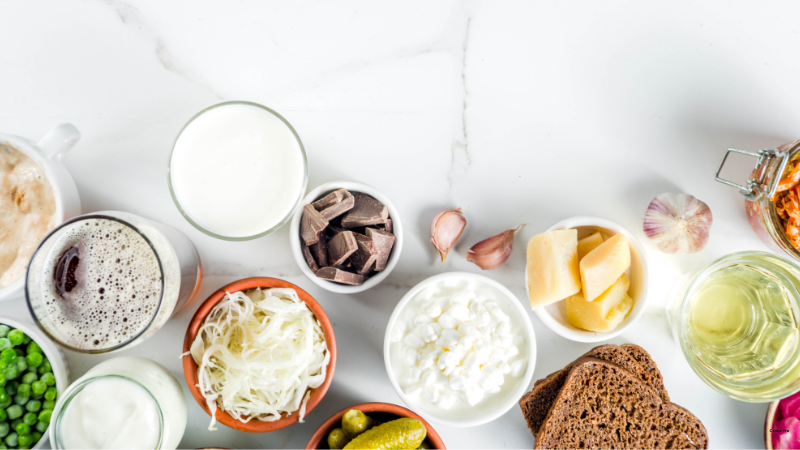
Some drinks, such as kefir and kombucha, acquire probiotics during fermentation, whereas others, such as some sodas and energy drinks, have probiotics added in factories. Fermentation uses different microbes, such as lactic acid and acetic acid bacteria, which help create both the distinct taste and the health benefits of these beverages.
You may also read: Gut Microbiome: Your Key to Digestive Health and Well-being
Dr. Karnatovskaia points out kefir and kombucha as two key examples of fermented drinks rich in probiotics.
Kefir is produced by fermenting milk with specific starter cultures containing beneficial bacteria and yeast. The final product is like thin yogurt in texture and has a unique tangy taste. Although it started as a dairy-based drink, newer versions now use ingredients such as coconut water or plant-based milk. Known as a popular fermented milk drink, kefir provides additional nutrients, including calcium and vitamins.
Making kombucha involves fermenting sweet tea with a SCOBY, a consortium of bacteria and yeast working together. As it ferments, the bacteria and yeast eat up most of the sugar in the tea. What you end up with is a fizzy drink that tastes tart and sometimes has fruit or juice added for flavor. The time it ferments affects how the drink tastes and how many probiotics it has.
You may also read: Zinc: Essential Functions and Dietary Sources
These drinks both bring great probiotic benefits and are easy to find in stores across America. Dr. Karnatovskaia explains that kefir stands out because of its special mix of bacteria. This unique mix confers antibacterial properties and an enhanced capacity to inhibit microbes that are not present in other drinks.
Some commercial drinks, such as sodas and energy drinks, contain probiotic bacteria, but they don’t undergo the critical fermentation step. The added probiotics may not be effective because they may not survive the stomach’s acidic environment. Plus, these drinks often have very few ingredients that help the gut. Additionally, the added sugars and artificial sweeteners in them might cancel out any potential benefits for gut health.
Even so probiotic or prebiotic sodas can still be helpful. They are good choices for people who want something different from regular sodas or alcoholic drinks. These drinks typically have fewer calories and less sugar than regular sodas. They can be used occasionally or as part of a mocktail recipe.
Kombucha is often considered a better choice. It comes in many flavours, has a natural fizz, and offers a mild, tangy taste. People can use it instead of soda, beer, or other alcoholic drinks while also enjoying its functional food benefits. Its beneficial properties derive from antioxidant compounds formed during fermentation, which enhance its capacity to promote health.
You may also read: From Childhood Habits to Healthy Eating: A Lifelong Journey
To keep the gut healthy, specialists say to eat a mix of fruits, vegetables whole grains, and fermented foods. While kombucha and kefir are trustworthy probiotic sources, sodas labeled for gut health do not provide the same benefits. Some people may add probiotics through supplements, but experts prefer that probiotics come from natural foods when available.
The amount of probiotic drinks people should have depends a lot on things like their lifestyle, health personal tastes, and what flavors they like.
Adding probiotic foods and drinks to your daily diet can make a difference. Start small with one serving a day. You could drink a kefir during breakfast, have kombucha with lunch, or add a small amount of sauerkraut to your dinner. Over time, you can have more. At first, you may notice some bloating as your digestive system gets used to the new mix of bacteria.
To try more probiotic drinks, Dr. Karnatovskaia offers some key tips to follow.
- Look for options kept in the fridge. Good bacteria need cold conditions to stay alive. You will often see kefir near yogurt, and kombucha is placed with other cold drinks.
- Check the labels. Look for products that list bacteria or yeast strains as ingredients. More types of strains mean more benefits and a boost for the gut’s microbial community. Labels often show the bacterial content in CFUs—larger numbers indicate more beneficial bacteria or yeast. Steer clear of drinks that have extra sugars like regular sugar, fake sweeteners, or high-fructose corn syrup.
- Look at all the nutritional benefits offered. Think about the extra health perks your chosen drink brings. For example, dairy-based drinks provide calcium, protein, and important vitamins.
- Make your own probiotic shot instead of buying expensive ones from stores or restaurants. These ready-made gut shots are small servings of probiotics and often taste sour. To save money, grab a jar of fermented pickles when shopping. These are in the refrigerated section and have a cloudy brine because they don’t use vinegar like regular pickles. You may eat the pickles, but the brine is rich in probiotics. Take two ounces of this brine every day as your own homemade gut shot.
Important note: Dr. Karnatovskaia highlights the need for people with weakened immune systems or those using monoamine oxidase inhibitor (MAOI) antidepressants to talk to their doctors before adding more probiotic foods or drinks to their diet. These functional drinks might interfere with some medications or cause issues for those with weak immune defenses.
To wrap it up, adding fermented drinks and other foods with probiotics to your meals can help boost your digestion and overall health while tasting great. You can get probiotics from kombucha, kefir, or any other cultured drink. Keep in mind that these healthy drinks are one component of a balanced diet that promotes wellness. The live cultures, natural acids, and other beneficial elements in these beverages may help digestion, strengthen your immune system, and even support healthy cholesterol levels.
Source: Sara Youngblood Gregory (Sept. 19, 2025).Probiotic drinks: What really works for gut health, from kefir to probiotic sodas. Mayo Clinic Press. https://mcpress.mayoclinic.org/healthygut/probiotic-drinks-what-really-works-for-gut-health-from-kefir-to-probiotic-sodas/
#best_probiotic_drinks_for_gut_health, #benefits_of_kombucha_for_digestion, #kefir_probiotic_drink_nutritional_value, #fermented_sodas_with_live_cultures, #how_probiotic_drinks_improve_immune_system, #natural_probiotic_beverages_for_digestive_health, #kombucha_vs_kefir_for_gut_microbiome, #low_sugar_probiotic_sodas_for_gut_health, #homemade_probiotic_shots_for_digestion, #prebiotic_and_probiotic_drinks_for_inflammation, #probiotic_drinks_safe_for_immune-compromised, #fermented_drinks_to_boost_cholesterol_management, #probiotic_drinks_with_multiple_bacterial_strains