
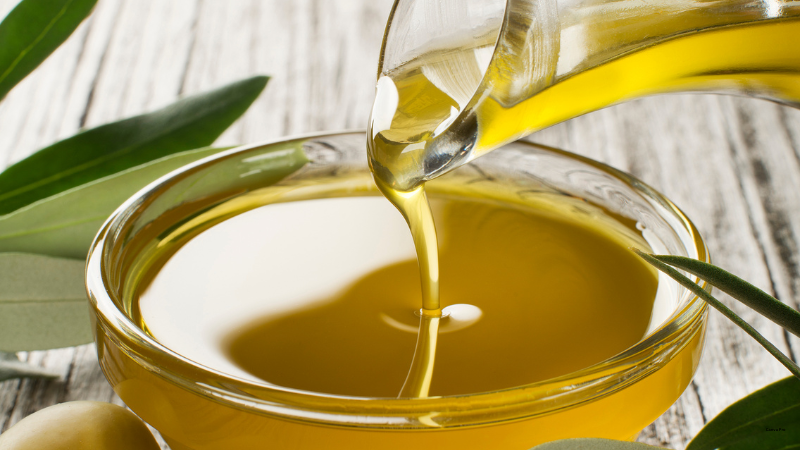

Health benefits of olive oil include heart health, reduced inflammation, cognitive support, and promoting early childhood development through nutrition and creative learning activities.
Olive oil plays a key role in Mediterranean cooking and is valued for more than just its flavor. People have long praised it for its health benefits, and many years of scientific studies back up these claims. Research links regular use of olive oil to better health, including lower risks of heart issues and improvement in men’s reproductive health. Understanding the benefits of olive oil can be a valuable learning experience in nutrition and holistic development, contributing to early childhood development and overall wellness. This knowledge can be incorporated into various types of play and educational activities, enhancing children’s learning experiences through playtime activities.
What makes olive oil good for you
A lot of people connect olive oil’s health perks with its healthy monounsaturated fats. However, Dr. Stephen L. Kopecky, a heart doctor from Mayo Clinic, points out that the way olive oil is processed could matter just as much, offering a learning opportunity in food production and its impact on child development. This understanding can be integrated into constructive play activities and science experiments for children, promoting hands-on learning about nutrition through sensory play.
Extra virgin olive oil (EVOO), often seen as the healthiest type, uses production techniques that have stayed the same since ancient Roman days, says Dr. Kopecky, who works at Mayo Clinic’s Cardiovascular Health Clinic in Rochester, Minnesota. “The method is straightforward. Olives are pressed, and the oil flows into a container. That’s it—no extra processing happens.” This simple process can be demonstrated through educational games and building activities, helping children understand the concept through various forms of play, including the use of construction toys.
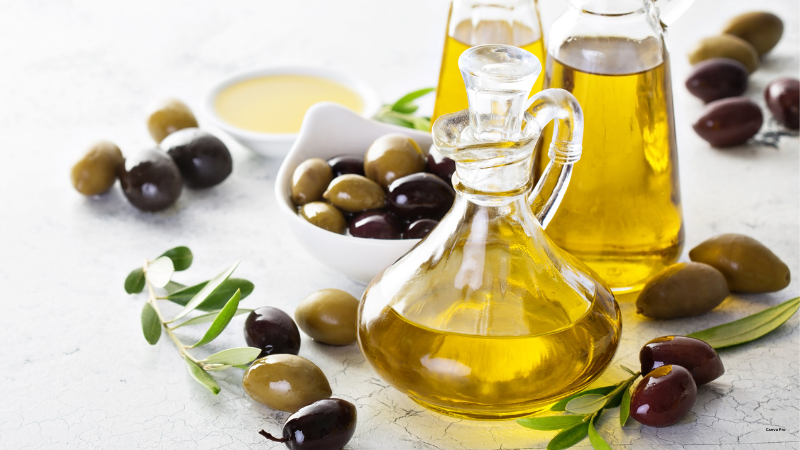
Other oils, like canola, sunflower, safflower, and corn oils, undergo extensive chemical processing to remove odours and extend shelf life. EVOO is different. “The oil you get is pressed from olives, bottled, and sent out,” Dr. Kopecky adds. This comparison provides an excellent opportunity for vocabulary expansion and communication skills development as children learn to use descriptive language to differentiate between various oil production methods.
You may also read: Dark Chocolate: Health Benefits, Flavanols & Heart Wellness
This straightforward extraction process keeps EVOO’s natural anti-inflammatory properties intact, which makes it stand apart from many other cooking oils and contributes to its developmental benefits, including support for cognitive abilities and language development. Engaging children in sensory experiences related to olive oil can enhance their understanding and appreciation of its unique properties, while also developing their fine motor skills.
What makes olive oil so beneficial?
Olive oil’s anti-inflammatory traits play a key role because many chronic illnesses stem from inflammation. Dr. Kopecky points out, “Inflammation is a major factor in heart disease, the leading cause of death in our country.” This concept can be explored through guided play activities that help children understand the importance of healthy eating habits, incorporating both structured play and free play approaches.
By reducing inflammation, olive oil helps protect heart health and supports better cardiovascular performance, contributing to overall physical fitness and gross motor skills development. Its advantages also reach issues linked to inflammation, like Alzheimer’s, joint pain, memory problems, irregular heartbeats, and erectile difficulties, showcasing its potential for cognitive development and holistic wellness. These benefits can be illustrated through interactive educational games and fantasy play activities.
You may also read: Probiotic drinks: Exploring gut health with kombucha, and kefir
An extensive long-term study, the PREDIMED study, showcased the advantages of the Mediterranean diet, especially olive oil, on heart disease. Dr. Kopecky explained that the findings highlighted wide-ranging benefits. He said the positive effects were surprising because the study had a designed randomized approach, demonstrating the importance of critical thinking in nutritional research and its impact on child development. This study can be used as a basis for science experiments and group play activities that teach children about scientific methods and nutrition, while also developing their teamwork skills.
Olive oil also supports better arterial health. Dr. Kopecky said it strengthens the endothelium, the lining of the arteries. It increases nitric oxide levels, which helps arteries widen and expand. This process lowers blood pressure and improves overall blood flow, contributing to holistic development of the body and supporting cognitive abilities. Children can learn about these concepts through physical play activities that demonstrate blood flow and circulation, enhancing their body coordination.
Olive oil has a strong effect on the gut microbiome. This is the community of microorganisms living in the digestive system. These microorganisms play a key role in supporting the immune system and may even influence language development. Dr. Kopecky shares, “The variety of these benefits surprised many scientists,” highlighting the ongoing learning opportunities in nutritional science and early childhood development. This topic provides excellent material for imaginative play scenarios and storytelling activities that can help develop children’s narrative skills.
You may also read: Summer Food Guide: Beat the Heat With Smart Eating Choices
Tips to get the most out of olive oil
To get the best from olive oil, it is important to think about its type and how it is used. Among the three main kinds—extra virgin, virgin, and refined—extra virgin olive oil, or EVOO, is the least processed and the healthiest choice. This information can be incorporated into various educational games and art and crafts projects to help children remember and understand the differences, while also promoting patience and persistence in learning.
Social media trends have made “olive oil shots” a popular idea, but Dr. Kopecky does not recommend this method. He stresses the need to use olive oil as part of daily meals. He says it is not a good idea to just treat it like a supplement. According to him, drinking small doses of olive oil during the day won’t work. This advice can be turned into a fun role-playing activity where children engage in fantasy play, pretending to be nutritionists advising patients.
The great thing about olive oil is how versatile it is, offering numerous learning opportunities for cooking and creative play. Dr. Kopecky recommends combining it with simple ingredients such as tomatoes, onions, or garlic. Toss in some spices, salt, and pepper, and you’ve got a flavorful sauce. This mix works well on all sorts of dishes, from veggies like asparagus and broccoli to even as a topping for bread. If you want to make salad dressings, Dr. Kopecky suggests using olive oil mixed with herbs, spices, or garlic for extra taste. He also advises using olive oil not just for flavor, but to enjoy your meal more by eating and savoring it. These cooking activities can be turned into sensory experiences and constructive play opportunities for children, helping them develop instruction following skills.
You may also read: Zinc: Essential Functions and Dietary Sources
Another easy way to use olive oil is by tossing it with your choice of vegetables before roasting them. It’s simple and tasty. To learn more on this method, check out the guide titled “How to roast any vegetable”. This cooking technique can be incorporated into pretend play scenarios in a toy kitchen or used as a basis for a real cooking activity with adult supervision, promoting both independent play and teamwork skills.
Since olive oil has a low smoke point, it works better for cooking at lower temperatures. Cooking techniques that need high heat, like frying, might lower its health benefits. This understanding provides a learning experience in cooking methods and their impact on nutritional value, which can be incorporated into educational activities for children. Science experiments comparing different cooking methods can help reinforce this concept and develop children’s fine motor skills.
Switching out unhealthy fats for olive oil
One major health benefit of olive oil is what it takes the place of in your meals. Dr. Kopecky says, “If you use extra virgin olive oil as your main fat source, you’re cutting back on less healthy choices like saturated animal fats, butter, and milk fats.” This idea can be explored through various types of play, including board games or card games that involve making healthy food choices, enhancing children’s decision-making skills.
You may also read: Gut Microbiome: Your Key to Digestive Health and Well-being
He points out that most processed foods do not contain olive oil. Using olive oil as your main source of fat shows that you’re eating more natural and unprocessed foods. Dr. Kopecky says this also means you are likely eating fewer ultra-processed foods, which play a big role in health problems across the country. Children can learn about this through guided play activities that involve sorting foods into “processed” and “unprocessed” categories, incorporating nature play elements to emphasize the natural aspects of olive oil.
Incorporating olive oil into your diet requires creativity and innovation. From drizzling it over salads to using it in marinades, there are countless ways to enjoy its benefits. This approach to healthy eating contributes to holistic development, supporting both physical fitness and cognitive development. Children can engage in unstructured play time in a pretend kitchen, coming up with their own creative ways to use olive oil in meals, fostering solo play and independent thinking skills.
In conclusion, the numerous health benefits of olive oil make it a valuable addition to any diet. By understanding its properties and uses, we can create a learning experience that enhances our overall health and well-being. Incorporating olive oil into meals can be a fun and educational activity, promoting early childhood development through creative play in the kitchen and fostering a lifelong appreciation for healthy eating habits. Whether through guided play, educational games, or hands-on cooking experiences, learning about olive oil can contribute significantly to a child’s nutritional knowledge and overall development, while also enhancing their fine motor skills, gross motor skills, and narrative abilities.
Source: Mayo Clinic Press (November 26, 2025). Exploring the health benefits of olive oil. https://mcpress.mayoclinic.org/nutrition-fitness/exploring-the-health-benefits-of-olive-oil/
#health_benefits_of_extra_virgin_olive_oil_for_heart_health, #how_olive_oil_supports_early_childhood_development, #anti-inflammatory_properties_of_olive_oil_explained, #best_ways_to_use_olive_oil_in_healthy_cooking, #olive_oil_and_cognitive_development_in_children, #why_extra_virgin_olive_oil_is_better_than_other_oils, #olive_oil_effects_on_gut_microbiome_and_immunity, #incorporating_olive_oil_into_kids’_nutrition_and_play, #Mediterranean_diet_benefits_with_olive_oil, #olive_oil_vs_processed_oils_for_cardiovascular_health