


Aging is shaped by nutrition, exercise, rest, and social connections—key pillars that science shows can help you live longer and healthier than ever before.
Aging expert Dr. Eric Verdin of the Buck Institute emphasizes that although aging research holds great promise, scientists have identified four key factors that promote longer, healthier lives. “From what we know about these four things, most people could reach the age of 95 and still be in good health,” says Verdin, who is also a professor of medicine at the University of California, San Francisco. “Whenever I talk about this, people often doubt it. It seems unbelievable, but the data backs it up.”
The four crucial factors are nutrition, exercise, rest, and staying connected. Most people tend to brush these ideas off, assuming they are just age-old wisdom that’s been around forever. But Verdin urges them to dig a little deeper. He explains that grasping the details matters. He asks questions like, “What makes physical activity beneficial? What counts as a healthy diet?”
Longevity researchers, as Verdin points out, have been diligently exploring these critical questions. Their studies have led to some interesting discoveries about the connection between diet and aging.
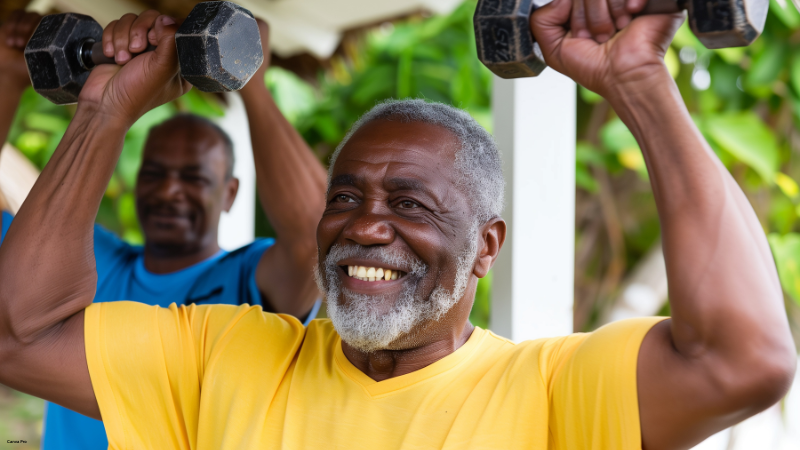
What does aging mean to you?
From the moment we are born, our bodies face nonstop challenges, including sunlight’s ultraviolet rays, gamma rays from space, oxygen-induced oxidative stress, and gravity’s pull on our muscles and nerves. These things continue to harm our DNA, proteins, and cells. However, nature has endowed us with advanced systems in our bodies to repair and repair this damage continuously.
You may also read: Relaxation techniques: Learn simple ways to ease stress
As we age, our important repair systems in the body break down over time. This breakdown causes tiny flaws to accumulate gradually. Think about a wrinkle as an example. Wrinkles happen when the collagen fibers under your skin start to tangle together. Once this tangling occurs, it remains that way and cannot be corrected. Now, picture this kind of thing happening all throughout your body. That’s what ageing is.
This idea gives us an interesting takeaway. If we can figure out and understand how these repair and maintenance systems work, and come up with ways to work on them, we might slow down the process of ageing.
What got you curious about studying longevity?
In the past, people saw aging as a complex and vague process, which made it tough to study. But between 1988 and 1995, scientists in different labs made big discoveries. They found several genes that when changed, could make yeast and animals live longer. This was surprising because many believed it was impossible to pinpoint specific genes affecting aging due to all the contributing factors, like oxidative stress, gamma radiation, and the effects of gravity. These findings showed that even with so many factors involved, there are key genes that can change how fast and how well aging happens. Since then, scientists have discovered hundreds more genes that seem to play a role in aging.
You may also read: 5 Key steps for health: Daily habits to boost well-being and vitality
Does it have anything to do with the “keto” diet?
In the 2000s, scientists made an important discovery. They found that ketones do more than just provide energy. These molecules act as signals influencing epigenetic mechanisms. Researchers have pinpointed beta-hydroxybutyrate, a type of ketone, as a blocker of certain enzymes linked to histone changes and ageing. This led to the idea that ketones might help slow aging. Tests on mice using ketogenic diets backed this up. The studies showed longer average lifespans, better brain function, and other health benefits.
You can reach ketosis, the state where the body runs on ketones for fuel, in different ways. One way is by fasting for a long time, which means going without food for at least 21 hours to get into ketosis. Another common approach is to cut down on carbs and adhere to a ketogenic diet. This type of diet keeps your daily carbs extremely low, between 30 and 50 grams per day. A third option is using ketone supplements to help your body get there.
You may also read: Superagers: Social Connections May Be Key to Exceptional Aging
The Buck Institute, a biomedical research center in California that focuses on aging, is running several clinical trials right now. These trials are testing ketone ester supplements. One trial is working to determine the optimal amounts to use and the duration of the effects. Another trial is looking into how these supplements could help with aging issues frailty. Frailty involves the loss of muscle mass and trouble with balance, which often occurs as people age.
When people consider how long they might live, they often believe that genetics plays a significant role. Studies show that genetics has an influence on less than 10% of our life expectancy. Over 90% depends on factors unrelated to genes. This surprising fact suggests that how long we live isn’t decided by our DNA. Instead, what we eat, how active we are, and the everyday choices we make shape our lifespan and how healthy we stay as we age.
To understand aging in a healthy way, I like to focus on what I call the “five pillars of aging.” These are eating well staying active, getting enough sleep, building strong social connections, and managing health through medicine, supplements, and treatments.
It’s important to understand that no drugs or supplements available today are proven to make people live longer, despite what some advertisements claim. Aging research tends to focus on drug development, but ignoring the other four key areas would be a big mistake. These other areas have shown clear effects on how aging works. From what we know right now about these four factors most people could live up to 95 years old. While some may doubt this idea solid scientific evidence backs it up.
You may also read: Walking Faster, Live Longer: The Speed-Health Connection
Staying active can increase your life expectancy by about five years. Eating nutritious foods might boost it further by an extra three or four years. Additionally, maintaining good sleep routines could add two to three years to your lifespan. However, the standout factor is something surprising — community involvement plays the most significant role. This means forming and maintaining strong bonds with people you trust, such as your spouse, partner, children, or close friends. These relationships are not defined by traditional norms.
What matters is having people in your life who care and support you when you need them. While this social aspect has one of the clearest links to living longer, it’s one of the hardest to analyse in controlled studies.
What type of diet seems to support a longer life?
Studies show that restrictive diets are ineffective because they often lack essential nutrients and are difficult to adhere to over time. This applies to common diets, such as keto plans and plant-based options, including vegan and vegetarian lifestyles. The Mediterranean diet, however, is different and proves to be effective. It provides a good balance of nutrients and includes plenty of fresh fruits and vegetables. This way of eating emphasises the consumption of whole grains, nuts, and legumes, while focusing on healthy fats found in olive oil.
To make better diet choices, people should limit their consumption of ultra-processed foods and meats that contain high levels of saturated fats. If you eat meat, opt for lean and organic options, as they are healthier. Adding foods rich in omega-3 fatty acids, such as fatty fish, can help keep your heart healthy and may reduce signs of inflammation.
Sugar seems to be one of the biggest challenges for healthy aging especially quick-digesting carbs in breakfast cereals and fruit juices. These types of foods can cause blood sugar levels to spike and lead to excessive insulin production.
We should note that other dietary habits, such as the Okinawan diet and calorie restriction, have shown promise in studies on longevity. These types of diets often include different herbs and spices. These additions do not make food taste better but have antioxidants that can help stop chronic illnesses.
What about staying active and sleeping well?
Studies show sitting too long can harm health even more than smoking. Taking a 35-to 40-minute walk each day helps improve overall health. Spending just 20 minutes walking in the morning and evening can significantly improve your health. Resistance training is especially important as people age, and exercises that focus on balance and stretching provide additional health benefits.
A good way to measure physical fitness is the grip strength test. This simple test is connected to overall muscle strength and may indicate how long someone might live or how capable they remain as they age.
When it comes to sleep, about 70% of people do not get enough rest. Most adults need seven to eight hours of sleep every night. Although some people believe they can get by on six hours, this is true for only around 1% of individuals, meaning that almost everyone’s estimate about this is incorrect. Not getting enough sleep harms many bodily functions, including metabolism and the body’s ability to deal with inflammation. Getting enough rest helps keep the brain healthy and may help prevent brain diseases that commonly affect older adults.
What advice would you give to those thinking about trying drugs or supplements to live longer?
As a doctor and researcher, I often see people buying supplements online without proper advice. When I check their health stats, it’s clear they often end up hurting their bodies without realizing it.
To live longer and stay healthy, people should eat a balanced diet, stay physically active, get sufficient sleep, and maintain strong relationships with others.
Source:
Dominique Mosbergen (Oct 16, 2025). 4 Science-Backed Habits That Could Help You Live Longer. TIMES. https://time.com/7326301/4-science-habits-longer-life/
#aging_and_longevity_tips_for_healthy_living, #how_nutrition_affects_aging_and_lifespan, #best_exercises_to_slow_down_aging_process, #impact_of_sleep_on_healthy_aging, #social_connections_and_aging_well, #ketogenic_diet_benefits_for_aging_adults, #Mediterranean_diet_for_longevity_and_health, #managing_frailty_in_aging_populations, #scientific_research_on_aging_and_life_extension, #natural_ways_to_promote_healthy_aging, #role_of_genetics_vs_lifestyle_in_aging, #effective_strategies_to_increase_lifespan, #importance_of_rest_and_recovery_in_aging