
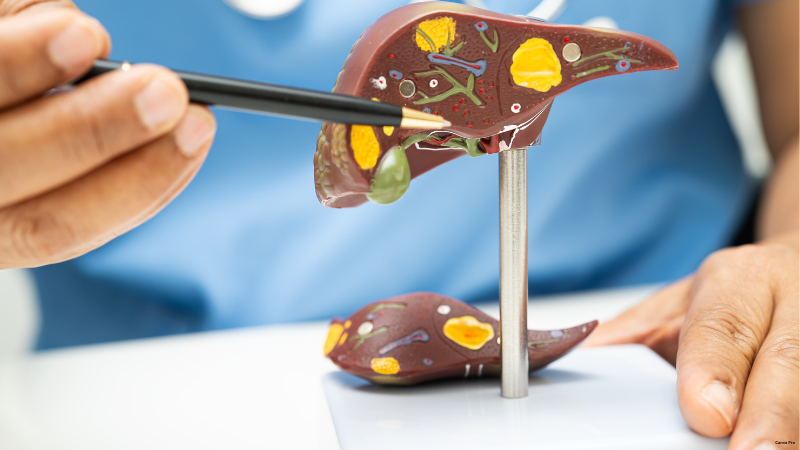

Cirrhosis requires careful management of lifestyle, diet, and medical care to slow progression, prevent complications, and maintain liver health for a better quality of life.
Taking care of yourself with cirrhosis means making smart health choices. To treat cirrhosis well, it is essential to know what it is recognize its signs, and learn ways to avoid further problems and shield your liver from extra harm.
Cirrhosis happens when the liver gets scarred over time, and this damage often does not heal. Many things can cause it, but the main reasons include drinking too much alcohol, being overweight, or having long-term viral infections like chronic hepatitis C. Knowing what leads to cirrhosis plays a key role in stopping it and dealing with it better.
When the liver is damaged, it begins to heal itself. Scar tissue forms during this repair, reducing the liver’s function. Over time, this can turn into stages of cirrhosis ranging from manageable to severe forms.
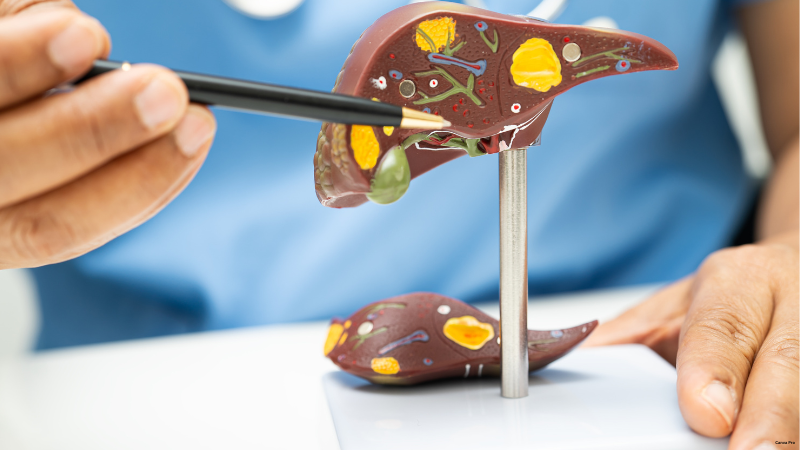
The scarring from cirrhosis cannot be undone, but spotting it early with liver tests and managing it can stop or slow down serious problems. Even when the condition worsens and becomes dangerous, treatments for cirrhosis are available to help you live better. If the liver fails, doctors may recommend a liver transplant as a possible solution.
You need to work with your healthcare team to manage your lifestyle. A key focus should be cutting out alcohol, as it worsens liver cirrhosis symptoms.
You may also read: Abdominal Core Health: Strength, Care, and Surgical Insights
Avoiding Issues and Slowing Cirrhosis Progression
After a cirrhosis diagnosis, protecting your liver from more harm becomes crucial. These practical steps can help you maintain liver health and stay healthier overall:
- Quit alcohol. No matter what caused your cirrhosis, you must stop drinking any form of alcohol. Alcohol can worsen liver scarring and damage. Your healthcare team can provide support and guidance if quitting feels challenging.
- Control obesity. Carrying extra weight, being obese, increases liver inflammation. Losing even a small amount of weight can make a positive difference. Consult your physician to choose the appropriate weight-loss plan for your health needs.
- Prevent malnutrition. People with advanced cirrhosis often face nutrition problems like losing weight or lacking enough protein and vitamins. Planning meals to support liver health can stop the cirrhotic liver from getting worse.
Stay cautious with painkillers. Avoid taking ibuprofen (e.g., Advil or Motrin IB) and naproxen sodium (e.g., Aleve). Depending on how severe your liver damage is, your doctor might limit acetaminophen like Tylenol to 2,000 milligrams per day or tell you not to use it at all. Refrain from using regular-strength aspirin to handle pain. Talk to your doctors if you need to keep taking low-dose aspirin (81 milligrams ) to protect your heart.
You may also read: Pelvic Floor Health: Key Facts and Care After Menopause
Protect yourself from infections. Cirrhosis makes you more prone to catching certain infections. Your doctors will make sure your vaccine shots are up-to-date such as hepatitis A and B vaccines and the pneumococcal vaccine. Getting your yearly flu shot and the COVID-19 vaccine also remains important.
Do not eat raw seafood like shrimp or sushi. Stay out of brackish or saltwater areas for safety. People with cirrhosis face a higher risk of infections that can spread in those places. , steer clear of unpasteurized milk products to reduce the risk of infections.
Focus on Staying Healthy and Eating Well
Making good lifestyle choices and sticking to a healthy diet can improve how you feel and live. These changes might help you manage stress associated with chronic illness more effectively. However, they can’t undo cirrhosis or take the place of the treatment your doctor recommends.
Your medical team can give you personalized advice on eating and daily habits. They might recommend a few steps:
- Cut down on salt in meals. Eating too much salt can make your body hold on to fluid leading to swelling in the belly and legs, which often happens with liver cirrhosis. When choosing ready-made meals, pick ones with low sodium and watch portion sizes. Try using herbs or spices to add flavor instead.
- Pick lean protein foods. Add proteins like chicken, fish, or plant-based options such as beans and lentils to your meals. Sometimes, doctors suggest high protein supplements to fight muscle loss that comes with advanced cirrhosis.
- Cut back on fats. Liver issues make it harder to produce bile, which your body needs to digest fats. Eating more fat than your body can handle might leave you feeling uncomfortable after eating. Make sure your fat intake matches what your liver can process so digestion works better. Eating smaller meals more often instead of a few big ones might help. When eating fats, use monounsaturated ones since they’re easier for your body to handle.
- Talk about the foods you like. If there are meals you enjoy that aren’t part of your diet plan, discuss them with your doctor. It’s better to know how much and how often you can eat those things than to guess and make a bad choice. Include questions about everyday items such as eggs or diet sodas to determine how they fit into your meal plan.
- Take care of your sleep. Getting good sleep is essential to help your body recover and handle everyday life. Stick to regular sleep routines to make the most out of your rest time.
- Stop smoking. Using any kind of tobacco raises the chance of problems from cirrhosis. Your healthcare provider can offer safe ways to help you quit smoking.
Handle anxiety and stress. Coping with cirrhosis can be tough during long waits for organ transplants. Try doing light exercises simple physical activities, or joining support groups to reduce stress. If these options do not seem to work talk to your doctor about medications that might help.
You may also read: Relaxation techniques: Learn simple ways to ease stress
Stay on Top of Complications
Even with good preventive care, complications from cirrhosis can still happen. Liver function tests help track disease progression and spot early warning signs of worsening conditions.
Serious complications need extra care, such as:
- Buildup of fluid in the belly known as ascites.
- Ongoing swelling and fluid trapped in different parts of the body.
- Swollen veins in the oesophagus or higher pressure in the blood vessels near the stomach area (called portal hypertension).
- Changes in mental clarity and thinking problems caused by hepatic encephalopathy.
If you notice any symptoms of cirrhosis, it is important to stay in touch with your doctor and liver specialists. They will determine the appropriate medications, adjust your treatment plan as needed, and monitor your health closely to manage these issues as effectively as possible.
If your complications become too serious or hard to handle, your doctors might need to look into whether a liver transplant could be an option for you.
You may also read: Pelvic Floor Health: Key Facts and Care After Menopause
More Things to Keep in Mind About Your Diet
Cirrhosis can limit how the liver stores glycogen and processes nutrients, which might mean making extra changes to your diet:
- Address vitamin deficiencies: Your doctor may recommend taking vitamins to address common deficiencies associated with cirrhosis.
- Adjust carbohydrates: Cutting back on carbohydrates may be needed, but eating some starchy foods can maintain energy and help the liver store glycogen.
- Monitor protein intake: Your protein needs might change depending on how advanced cirrhosis is. Sometimes, taking high-protein supplements can help stop muscle loss.
Adhere to these guidelines and work with your healthcare team to manage liver cirrhosis symptoms. This approach might also help slow down the disease’s progression. Keep in mind, spotting it and staying on treatment are crucial to keep your liver working and maintain your quality of life while dealing with cirrhosis.
Sources:
- Mayo Clinic (October 29, 2025). Cirrhosis self-care and diet. https://www.mayoclinic.org/diseases-conditions/cirrhosis/in-depth/cirrhosis-self-care/art-20588994
- Gines P, et al. Liver cirrhosis. The Lancet. 2021; doi:10.1016/S0140-6736(21)01374-X.
- Feldman M, et al., eds. Overview of cirrhosis. In: Sleisenger and Fordtran’s Gastrointestinal and Liver Disease: Pathophysiology, Diagnosis, Management. 11th ed. Elsevier; 2021. https://www.clinicalkey.com. Accessed Sept. 9, 2025.
- Goldman L, et al., eds. Cirrhosis and its sequelae. In: Goldman-Cecil Medicine. 26th ed. Elsevier; 2020. https://www.clinicalkey.com. Accessed Jan. 6, 2023.
- Medical review (expert opinion). Mayo Clinic. May 4, 2025.
- Neong SF, et al. Sexual dysfunction and sex hormone abnormalities in patients with cirrhosis: review of pathogenesis and management. Hepatology. 2019; doi:10.1002/hep.30359.
- Philips CA. Commonly encountered symptoms and their management in patients with cirrhosis. Frontiers in Medicine. 2024; doi:10.3389/fmed.2024.144525.
- Jophlin LL, et al. ACG clinical guideline: alcohol-associated liver disease. The American Journal of Gastroenterology. 2024; doi:10.14309/ajg.0000000000002572.
- Smith A, et al. Cirrhosis: diagnosis and management. American Family Physician. 2019; https://www.aafp.org/pubs/afp/issues/2019/1215/p759.html.
Disclaimer:
The content on this website is intended to support, not replace, medical treatment and advice. Please seek professional advice if you believe you may have a condition. No content on this site should ever be construed as a substitute for medical advice from your doctor or other healthcare professional.
#how_to_manage_cirrhosis_symptoms_naturally, #best_diet_for_liver_cirrhosis_patients, #lifestyle_changes_to_slow_cirrhosis_progression, #foods_to_avoid_with_liver_cirrhosis, #tips_for_living_with_advanced_cirrhosis, #cirrhosis_treatment_and_prevention_strategies, #managing_cirrhosis_complications_and_ascites, #quitting_alcohol_with_liver_cirrhosis, #nutrition_plan_for_cirrhosis_patients, #signs_and_symptoms_of_worsening_cirrhosis, #cirrhosis_and_vitamin_deficiencies_management, #safe_painkillers_for_people_with_cirrhosis, #how_to_prevent_infections_with_cirrhosis