
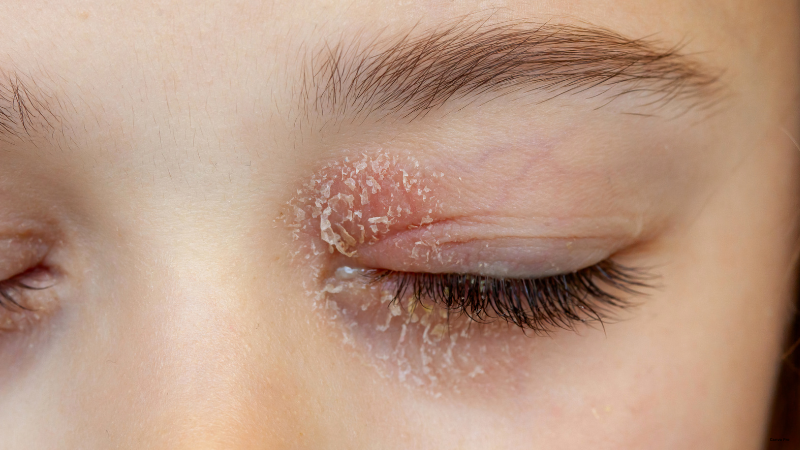

Crusty eyelids can signal underlying issues like blepharitis; learn about causes, symptoms, and effective care routines to keep your eyes healthy and comfortable every day.
Crusty eyelids upon waking, commonly known as “sleep in your eyes” or “eye dandruff,” are generally harmless. However, if this persists or worsens, or presents with symptoms such as swollen or puffy eyelids, it may indicate a health problem, such as blepharitis. Understanding blepharitis and figuring out how to manage it can ease your mornings and help keep your eyes healthy.
Blepharitis: What Is It?
Blepharitis happens when the eyelids become inflamed. This condition causes crusting on the eyelids due to swelling along the edges. Dr. Barbara K. Tylka, an optometrist at Mayo Clinic’s Dry Eye Clinic in Rochester who focuses on treating dry eye and surface diseases, explains that blepharitis leads to scales, flakes, or waxy residue collecting near the lash line. This buildup is visible in the morning when you wake up.
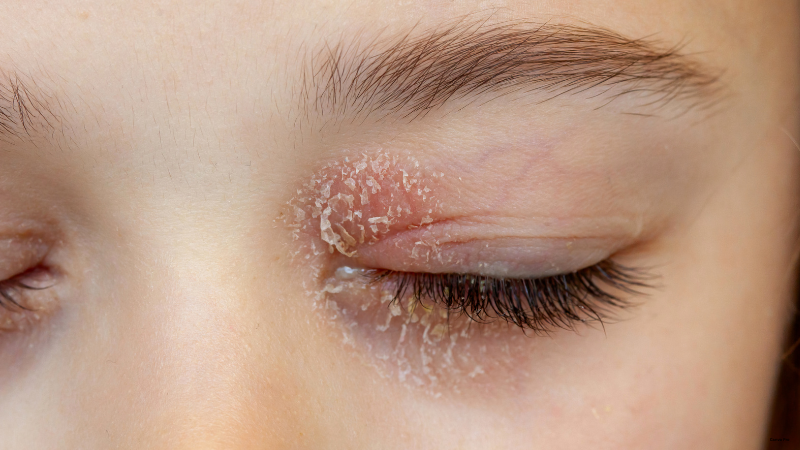
Types of Blepharitis
Blepharitis shows up in different forms:
- Anterior blepharitis: This type affects the skin near the base of the eyelashes.
- Posterior blepharitis also called meibomian gland dysfunction, affects the oil-making sebaceous glands in the eyelids.
- Seborrheic blepharitis often links to dandruff on the scalp and eyebrows.
- Ulcerative blepharitis is a more serious type that may lead to sores forming on the eyelids.
Posterior blepharitis plays a significant role in the pathogenesis of dry eye. The meibomian glands produce meibum, a key lipid that helps keep the tear film stable. This stable tear film stops the eyes from drying out.
You may also read: Pelvic Floor Health: Key Facts and Care After Menopause
When inflammation occurs, it affects how well the meibomian glands produce essential oils. If these glands cannot produce sufficient high-quality oils due to obstruction, the tear film weakens, leading to eyelid inflammation. This forms a cycle in which blepharitis and glandular dysfunction exacerbate dry eye symptoms.
Dr. Tylka explains, “If the glands create low-quality oil, it weakens the oil layer that protects the tear film. This causes the watery layer of tears to evaporate increasing dryness and discomfort.”
Blepharitis Causes
Understanding the causes of blepharitis is important for effective management. Sometimes crusty eyelids result from demodex blepharitis. This type is caused by tiny mites called Demodex mites. These mites live at the base of eyelashes on human skin, but excessive numbers can cause symptoms. A clear sign of this condition is cylindrical flakes called collarettes found at the base of the eyelashes.
Other reasons for blepharitis include bacterial buildup, allergic reactions, or certain skin issues. It can appear as acute blepharitis or stick around as chronic inflammation, causing ongoing problems.
You may also read: Strength training: Benefits, tips, and how to get started right
Signs of Blepharitis
Typical signs of blepharitis are:
- Eyelids feeling crusty when you wake up
- Itchy feelings around the eyelids
- Swollen or puffy eyelids
- Redness and inflammation in the eyelids
- Eyes that feel like they’re burning or stinging
- Excessive tearing or watery eyes
- Discomfort from bright light
If you notice these signs, you should visit an eye doctor to get a proper diagnosis and find the right treatment.
Ways to Manage Blepharitis
As with the rest of your body, your eyelids require regular care. Managing blepharitis means mixing personal care routines with medical treatments. Here are some helpful options to treat blepharitis:
- Warm Compresses: Use warm compresses to help loosen crusts and unblock oil glands. You can try a special heat mask or use a warm washcloth for this.
- Eyelid Cleaning: Gentle cleansers from the store work well to remove bacteria, debris, and mites from the edges of your eyelids. Look for wipes, sprays, or foams with simple ingredients. Regular scrubs keep eyelids clean. Some find tea tree oil products useful to handle demodex mites.
- Steady Routine: Staying consistent matters a lot in caring for your eyelids. Dr. Tylka points out, “conservative eyelid hygiene should be approached like dental care: with regularity and dedication.” Sticking to a routine helps reduce swelling, keeps oil glands working , and supports tear film stability. This makes living with dry eye symptoms a lot easier.
- Medical Care: When good hygiene is not enough to fix the problem different treatments depend on the root cause. Options may include antibiotics in the form of ointments or drops to treat infections, or broader treatments to address underlying health issues.
- Advanced Treatments: Sometimes, eye doctors suggest using treatments like intense pulsed light therapy. It may help manage meibomian gland dysfunction and reduce inflammation.
To treat blepharitis, you should stick to the plan given by your eye care provider. Keep following it even after your symptoms get better. This helps avoid the problem from coming back.
You may also read: Relaxation techniques: Learn simple ways to ease stress
When to Get Help
If you notice crusty eyes along with redness, blurred vision, excessive discharge, or pain that makes daily tasks difficult, you should see an ophthalmologist. These signs might point to other issues like:
- Allergies
- Skin problems such as eczema, psoriasis, or rosacea
Autoimmune diseases like Sjogren syndrome
Your eye doctor will check reasons that could cause crusty eyelids, such as medications you take, environmental factors, or other health problems you might have.
Dr. Tylka points out how vital teamwork is when managing these issues. This may require assistance from various experts, including optometrists, ophthalmologists, dermatologists, or rheumatologists.
You may also read: Belly Fat in Women: What It Means and How to Handle It
How to Stop Dry Eyes and Blepharitis
Dryness can exacerbate eyelid crusting and persistent blepharitis. Dr. Tylka suggests several ways to manage dry eyes:
- Take breaks often when using screens
- Stay away from direct air coming from fans or vents
- Use proper eye protection when it is windy
- Use artificial tears that do not contain preservatives. People with chronic dry eye may require prescription eye drops.
- Think about adding omega-3 supplements, but Dr. Tylka advises talking to your healthcare provider first to figure out the right amount and type if you have other health issues.
Crusty eyelids and blepharitis are quite common, and most people can manage them by keeping their eyelids clean and addressing the underlying causes. If symptoms persist or worsen, or if your vision changes, you should see a doctor immediately.
Knowing what blepharitis is, spotting its symptoms , and learning how to manage it can boost both your eye health and daily life. Early care and regular treatment play an important role in managing this condition more effectively.
Source:
Mary Anne Dunkin (October 24, 2025). Crusty eyelids in the morning: Why they happen and what you can do. https://mcpress.mayoclinic.org/living-well/crusty-eyelids-in-the-morning-why-they-happen-and-what-you-can-do/
Disclaimer:
The content on this website is meant to support, not replace, medical treatment and advice. Please seek professional advice if you believe you may have a condition. No content on this site should ever be construed as a substitute for medical advice from your doctor or other healthcare professional.
#causes_of__crusty_eyelids_in_the_morning, #how_to_treat_blepharitis_at_home, #symptoms_of_eyelid_inflammation_and_crustiness, #best_warm_compress_for_blepharitis_relief, #natural_remedies_for_crusty_eyelids_and_dry_eyes, #how_to_get_rid_of_eye_dandruff_and_flakes, #managing_chronic_blepharitis_and_dry_eye_symptoms, #signs_of_demodex_mites_on_eyelashes, #eyelid_hygiene_routine_for_blepharitis_patients, #when_to_see_a_doctor_for_crusty_eyelids, #effective_eyelid_scrubs_for_blepharitis_treatment, #relationship_between_dry_eyes_and_blepharitis, #how_to_unblock_meibomian_glands_naturally