


Dark Chocolate contains powerful antioxidants and flavanols that may support heart health, reduce inflammation, and improve blood pressure when consumed in moderation as part of a balanced diet.
Near Panama’s coastline, the Kuna people make up an extraordinary indigenous group. They tend to live longer lives than those residing on the mainland. What stands out is that, despite their high-salt diet, the Kuna maintain lower blood pressure than other Panamanians. They also experience fewer cases of heart disease, type 2 diabetes, and cancer.
Researchers found, through detailed studies, that their longevity was not attributable to their diet. Instead, it was linked to their unique routine of drinking over five cups of cocoa . This finding has led scientists to explore how consuming cocoa and dark chocolate could affect human health and offer several health benefits tied to dark chocolate.
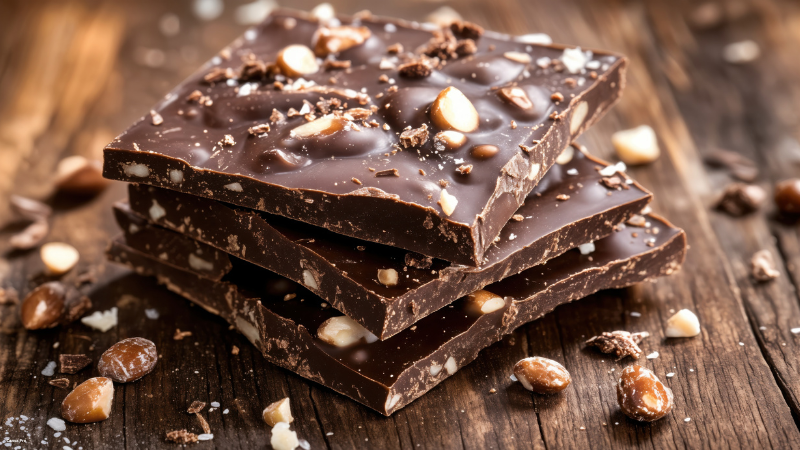
Why cocoa could improve your health
Researchers identified two main reasons cocoa may be beneficial for health. One reason is that it contains a lot of flavanols, which are antioxidants. These may protect blood vessels from aging and support heart health. Another reason is theobromine, a bitter natural stimulant. It may reduce systemic inflammation and help mitigate oxidative stress.
Although people often use “cacao,” “cocoa,” and “chocolate” interchangeably, they denote different substances. Cocoa is produced by drying, roasting, and grinding the beans of the cacao tree. This step of fermenting and processing cocoa plays a key role in forming the flavanols found in chocolate. Pure cocoa tastes very bitter, so companies mix it with sugar, milk, fats, and other ingredients to make tasty hot chocolate mixes and chocolate bars.
You may also read: Probiotic drinks: Exploring gut health with kombucha, and kefir
Research on chocolate’s health benefits has yielded mixed findings. A large study of more than 55,000 people found that those who ate chocolate frequently had fewer cases of atrial fibrillation, an irregular heartbeat. Another long-term study showed that eating dark chocolate could reduce the chance of heart attacks and boost brain function.
But these studies show a connection. They do not confirm that one thing causes the other. Randomized controlled trials are stronger evidence to prove cause and effect.
One of the biggest randomized controlled trials, called the Cocoa Supplement and Multivitamin Outcomes Study (COSMOS), looked at how eating chocolate might affect health. It focused on the effects of high-flavanol cocoa and its possible health advantages.
You may also read: Summer Food Guide: Beat the Heat With Smart Eating Choices
The study design included the following:
- Over 21,000 participants were involved, with half taking supplements twice a day that had 500 milligrams of cocoa flavanols.
- The remaining half took placebo pills instead.
The research found that people using the cocoa supplements had similar rates of heart attacks, type 2 diabetes, and cognitive performance as those on the placebo. However, their chances of dying from heart-related issues were 27% lower. This suggests that cocoa flavonoids may improve cardiovascular health.
A detailed review of 35 randomised controlled trials involving more than 1,800 participants found that consuming cocoa rich in flavanols reduced blood pressure by 2 millimetres of mercury over approximately nine weeks. This suggests cocoa with flavanols could help manage blood pressure.
You may also read: Gut Microbiome: Your Key to Digestive Health and Well-being
The health perks of eating chocolate seem to be minor at most. Additionally, store-bought chocolate may not provide these benefits effectively. This happens because the cocoa used in studies is quite different from the cocoa in most store-bought chocolate.
Take the COSMOS study as an example. The cocoa supplement there had 500 milligrams of flavanols. That amount is approximately five times what most people get each day from all flavanol-rich foods, including tea, berries, and grapes.
Most commercial chocolate includes extra stuff like sugar and saturated fat. These added ingredients substantially reduce the cocoa concentration. With less cocoa, the flavanol levels drop too, reducing potential health benefits. The calories and nutrients in store-bought chocolate vary substantially depending on the amount of cocoa and the other ingredients.
You may also read: Sweet Potatoes Health Benefits: A Nutritious Thanksgiving Staple
If you are not a big fan of chocolate, you do not need to add it to what you eat. But if you like chocolate, try these tips to enjoy its health perks while keeping your calorie count in check:
- Pick dark chocolate. Dark chocolate offers more cocoa and flavanols, along with less sugar. Read the label to see the cacao percentage—a higher number means more flavanols and less sugar. When making hot cocoa, use unsweetened 100% cocoa powder. White chocolate, despite its name, has no cocoa at all. Choosing darker chocolate is healthier since it has more flavanols and less sugar.
- Watch your portions. Dark chocolate, while beneficial, is high in calories with a lot of sugar and fat. A big 101-gram bar of dark chocolate with 70% to 85% cacao has 604 calories, 43 grams of fat, and 24 grams of sugar. Stick to small amounts and treat it as a once-in-a-while treat instead of a regular snack. This can help you manage weight but still enjoy the possible good effects of cocoa flavanol.
Eat foods rich in flavanols. Cocoa isn’t the only source of flavanols. Plenty of other foods like green tea black tea, cinnamon, grapes, and apples are also packed with them. Many plant foods, including most fruits, veggies, and herbs, have health-boosting nutrients and polyphenols. Instead of eating chocolate alone, try adding a mix of plant-based foods to your meals to get more nutrients such as magnesium, zinc, iron, and copper.
Dark chocolate may have some health benefits, but it is far from a panacea. Any potential benefits for heart health, brain function, or insulin handling should be considered within the context of an overall healthy lifestyle and eating habits. Some research suggests that consuming cocoa with high flavanol content may improve LDL and HDL cholesterol levels. It might even lower the chance of developing illnesses like Alzheimer’s or Parkinson’s disease. Still, scientists need to conduct further studies to better understand these connections.
You may also read: Boost Brain Health: Diets That Protect Both Heart and Mind
When picking dark chocolate, check more than just the cocoa percentage. Pay attention to if the label mentions flavanol content. How the cocoa is processed can change the amount of these good-for-you compounds in the chocolate. Remember dark chocolate also has caffeine though not as much as coffee.
To sum up dark chocolate and flavanols could come with health perks, but they should fit within a healthy diet. Benefits like helping heart health, brain function, and fighting free radicals need to be balanced against calorie intake and added sugars. Eating dark chocolate is best done in moderation, and talking to a healthcare expert is smart if you want advice about adding it to your meals.
Source:
Mayo Clinic (October 23, 2025). What science says about the health benefits of chocolate. https://mcpress.mayoclinic.org/living-well/what-science-says-about-the-health-benefits-of-chocolate/
Disclaimer
The content on this website is intended to support, not replace, medical treatment and advice. Please seek professional advice if you believe you may have a condition. No content on this site should ever be construed as a substitute for medical advice from your doctor or other healthcare professional.
#health_benefits_of_dark_chocolate_with_high_flavanols, #how_dark_chocolate_improves_heart_health_naturally, #best_dark_chocolate_for_blood_pressure_management, #effects_of_cocoa_flavanols_on_cardiovascular_health, #dark_chocolate_antioxidants_and_their_health_impact, #can_dark_chocolate_reduce_inflammation_and_oxidative_stress, #dark_chocolate_consumption_and_reduced_risk_of_heart_disease, #choosing_healthy_dark_chocolate_with_high_cacao_percentage, #dark_chocolate_vs_milk_chocolate_health_differences, #how_much_dark_chocolate_is_healthy_to_eat_daily, #dark_chocolate_flavanol_supplements_for_heart_health, #benefits_of_cocoa_flavanols_from_natural_sources