
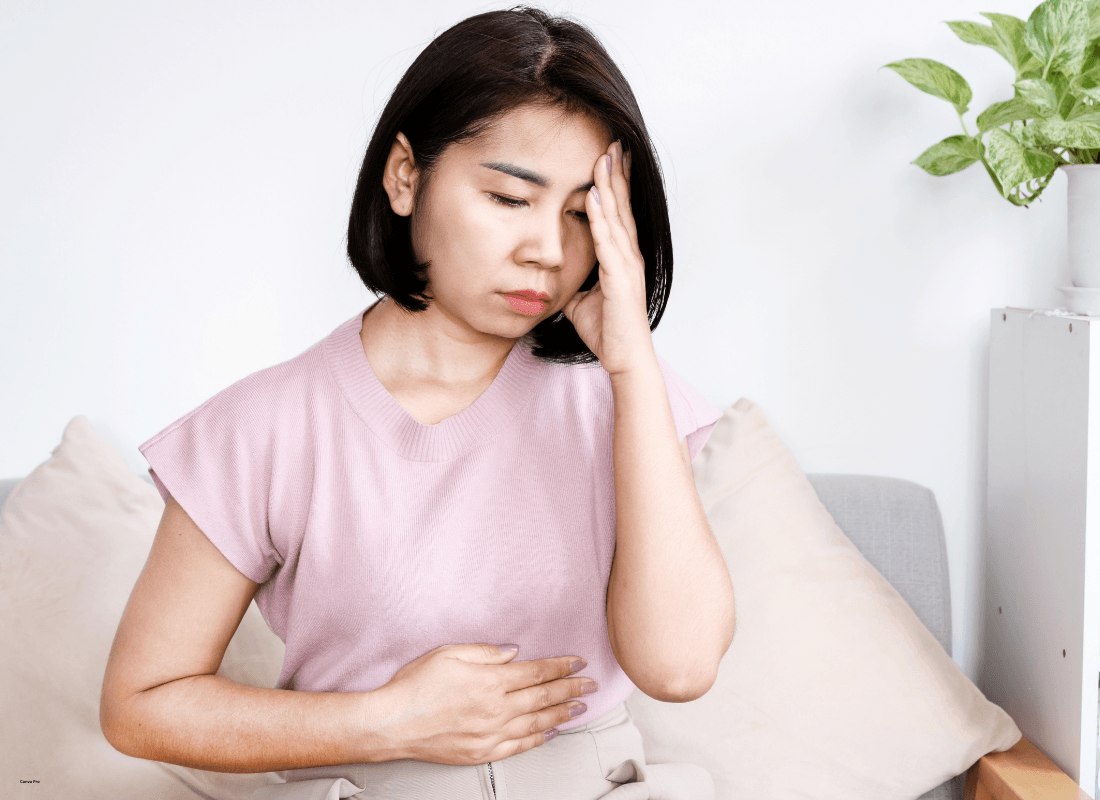

Gut and mood are deeply connected through the gut-brain axis, where inflammation and microbiome changes can influence emotions, from anxiety to happiness, affecting your daily well-being.
Gut health and mood are directly connected. Every day phrases hint at how our gut and brain are linked. People say they feel “butterflies” when anxious and that they trust their “gut” when making decisions. Science backs the idea that the gut and brain are linked. Jun Huh, an immunology professor at Harvard Medical School, says gut issues like inflammation can have a significant impact on your mood. His research focuses on how the gut immune system and the brain connect. Scientists refer to the link between the brain and digestive tract as the gut-brain axis. “Just like our skin, eyes, and ears send signals to the brain, the gut and brain are always in constant communication,” Huh says. “When something goes wrong, it can cause serious problems for our health and daily life.”
Communication pathways
How does the gut-mood connection operate? The digestive tract is home to trillions of bacteria and microbes forming what experts call the gut microbiome. Immune cells also fill gut tissue and travel across the body, Huh explains. When the gut lining gets irritated by triggers like infections, stress processed food, allergies too much alcohol, genetics, or diseases like inflammatory bowel disease, gut inflammation happens. It has an impact on the brain in a few ways:
It sparks an immune response.
Immune cells from the gut enter the bloodstream and travel to the brain. They release molecules that act like distress signals, disrupting brain activity linked to mood. “Immune cells work kind of like an Amazon Prime truck dropping off a package the next day,” Huh explains.
You may also read: https://ultimatechoices.org/neuroplasticity-boost-brain-health-stay-sharp/
It changes chemicals tied to mood.
Most people think serotonin, the chemical that keeps moods in balance, comes from the brain, but the majority forms in the digestive system. When inflammation occurs, it may disrupt how serotonin and other chemicals are produced in the gut.
It changes the microbiome.
When the gut becomes inflamed, harmful bacteria multiply while helpful bacteria decrease, disrupting the signals between the gut and the brain. It disrupts nerve connections between the gut and the brain. The brain uses specialised pathways, such as the vagus nerve, to connect with various organs. This nerve plays a key role in the transmission of signals between the brain and the gut. Huh compares it to a highway, “much like the Mass Pike linking Boston with many other cities.”
You may also read: Gratitude and Mental Health: Transforming Brain and Wellbeing
A study published in Psychological Medicine in 2023 found a connection between gut bacteria and positive emotions. Researchers analyzed over 200 women who gave stool samples and answered mood-related surveys. They found that certain gut microbes seemed to influence emotions like happiness and hope. Huh mentions that earlier studies show that problems in the gut microbiome may lead to feelings like anxiety, sadness, or irritability. Even feeling overwhelmed could be tied to gut health. “What happens in your gut can shape many types of moods,” he explains. He adds, “We still don’t understand every connection between the gut and mood, but someday, I think we might find that traits we associate with personality—like being driven—could come from the makeup of someone’s gut.”
Simple ways to calm inflammation
Here are some tips to ease inflammation in your gut and body that might help improve both your mental and physical well-being.
Stay active every day.
Experts say staying active keeps the gut’s balance of bacteria and microbes in check.
Get enough sleep.
Not getting enough sleep can raise inflammation throughout the body. Try to sleep about seven to eight hours each night.
You may also read: Relaxation techniques: Learn simple ways to ease stress
Choose anti-inflammatory foods.
Good options are leafy greens, vegetables like broccoli and cauliflower fresh fruits whole grains, beans, nuts, seeds, and oils like olive oil.
Cut back on alcohol.
Alcohol tends to cause inflammation in the body.
Find ways to manage stress.
You can try things like meditation taking deep breaths, or even writing in a journal.
Source:
Maureen Salamon (February 18, 2026). Reviewed by Jun Huh. How the gut-brain connection influences mood. Harvard Health Publishing. https://www.health.harvard.edu/digestive-health/how-the-gut-brain-connection-influences-mood
#how_does_gut_inflammation_affect_mood, #gut-brain_axis_and_mental_health_connection, #can_gut_bacteria_influence_your_emotions, #foods_that_reduce_gut_inflammation_for_better_mood, #link_between_gut_microbiome_and_anxiety, #how_serotonin_is_produced_in_the_digestive_system, #vagus_nerve_connection_between_gut_and_brain, #inflammatory_bowel_disease_and_mood_disorders, #ways_to_improve_gut_health_for_mental_wellness, #gut_bacteria_that_promote_positive_emotions, #does_gut_health_affect_personality_traits, #anti-inflammatory_foods_for_gut_and_brain_health