
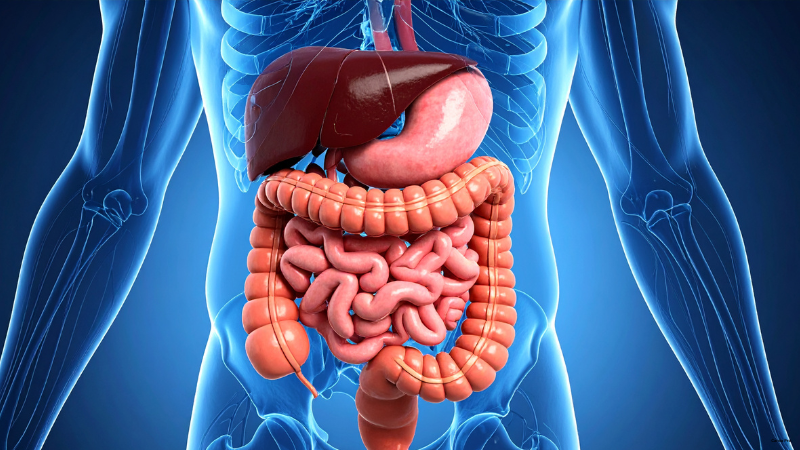

Liver health depends on balanced diet, regular exercise, weight management, avoiding alcohol and harmful substances, and ongoing medical care to prevent and reverse fatty liver disease and inflammation.
Liver health concerns, such as being diagnosed with steatotic liver disease (SLD) or learning you may be at risk for it, can be overwhelming. However, with appropriate lifestyle interventions and guidance from your physicians, many liver issues can be managed effectively, improving both liver health and overall metabolic health.
Steatotic liver disease, also known as hepatic steatosis, refers to a range of liver problems caused by excessive fat accumulation in the liver. One type of this condition is called metabolic dysfunction-associated steatotic liver disease, or MASLD. This happens in people who drink little or no alcohol and isn’t linked to drinking.
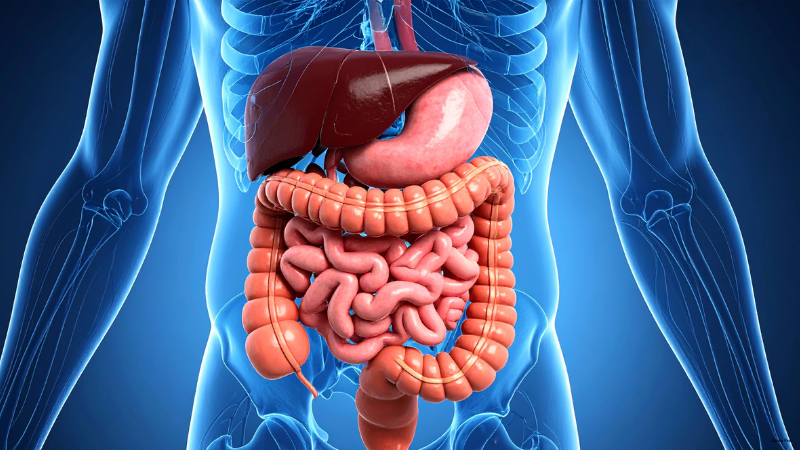
There’s a more serious form known as metabolic dysfunction-associated steatohepatitis, or MASH. This not only involves excess fat in the liver (liver steatosis) but also causes swelling, scarring, and liver inflammation. Over time, MASH can worsen and cause liver fibrosis, which harms how the liver works. If it keeps getting worse, it may lead to cirrhosis, which can bring life-threatening problems like liver cancer or failure.
You may also read: Cirrhosis Care: Managing Symptoms, Diet, and Preventing Risks
Your risk of developing MASLD or MASH depends on multiple factors. Some of these are under your control, but others are not. Factors such as your genes, age, race, ethnic background, and gender play a role. Among these, experts say body weight has the greatest impact. Studies show that about two-thirds of adults and half of kids with obesity might get MASLD. Around 20% of those cases could turn into the more severe form MASH, often associated with insulin resistance and metabolic syndrome.
The good news, as explained by Dr. Blanca C. Lizaola-Mayo from Mayo Clinic’s Liver Transplant Center, is that treatment and even reversal are possible for both conditions through a multidisciplinary approach.
Dr. Lizaola-Mayo says, “The liver has an outstanding ability to repair itself.” She highlights that, even in the presence of inflammation, the liver is unlike any other organ in its capacity to heal, remove excess fat, and regenerate tissue—if action is taken before cirrhosis develops.
Keep reading to learn key tips on what to do and avoid to manage MASH and keep your liver in good shape.
You may also read: Abdominal Core Health: Strength, Care, and Surgical Insights
Healthy Habits to Protect Your Liver
No single method can guarantee optimal liver health. But you can focus on a full wellness plan to take care of your liver. Regular check-ups, eating a balanced diet (such as the Mediterranean diet), staying active, managing your weight, and using prescribed medicines when needed all play a big role in keeping your liver healthy. Taking appropriate steps can help prevent or even reverse MASLD and MASH.
Talk with your doctor to create a treatment plan that works. It might include these approaches:
Weight management and obesity management: Weight loss is the primary approach to treating MASLD and MASH in individuals with obesity or overweight. Research shows that shedding extra pounds helps improve liver function, insulin levels, liver health, and quality of life. Weight management starts with dietary interventions and adding physical activity. However, in some situations, treatments such as weight-loss surgery, weight-reduction medications, or other interventions may be necessary.
You may also read: Pelvic Floor Health: Key Facts and Care After Menopause
Taking care of your heart: Dr. Lizaola-Mayo highlights the link between MASLD and heart disease, urging people to focus on both cardiovascular health and liver health. She says it is vital to manage issues like diabetes, prediabetes, high blood pressure, sleep problems, and abnormal cholesterol levels to reduce related risks. This often involves improving glucose metabolism and addressing insulin resistance.
Getting your vaccines: Hepatitis A and B can harm liver health and increase the chance of liver failure in those with MASLD or MASH. People with long-term liver problems should also consider other important vaccines to protect their health.
Drinking coffee: Dr. Lizaola-Mayo explains that black caffeinated coffee can protect the liver and slow down the progress of liver fibrosis. She says drinking more coffee provides better outcomes. “Three cups a day can help keep liver doctors away,” she mentions.
You may also read: Strength training: Benefits, tips, and how to get started right
Dr. Lizaola-Mayo highlights how even small lifestyle interventions can improve liver health and overall well-being. She finds it fascinating to observe patients in clinics who, through changes in lifestyle and weight loss, have reversed fibrosis and improved their lives.
Exercise and physical activity: Incorporating various forms of exercise can significantly benefit liver health. Resistance training helps build muscle mass, which can improve insulin sensitivity and reduce liver fat. High-intensity interval training (HIIT) has been shown to be particularly effective in reducing liver fat and improving metabolic health. For those new to exercise or with existing health conditions, moderate-intensity exercise, such as brisk walking or swimming, can also provide substantial benefits to liver health.
Monitoring liver health: Regular monitoring of liver enzymes, particularly alanine aminotransferase (ALT) and aspartate aminotransferase (AST), can help track the progression of liver disease and the effectiveness of interventions. Additionally, advanced techniques such as controlled attenuation parameter (CAP) can provide noninvasive assessment of liver fat content.
Things to Avoid to Keep Your Liver Healthy
As well as adding good habits for liver care, Dr. Lizaola-Mayo advises steering clear of a few specific harmful factors.
Alcohol: Drinking alcohol can make fatty liver disease much worse. Dr. Lizaola-Mayo emphasizes that people who drink moderate to large amounts of alcohol are more likely to experience rapid liver scarring and develop cirrhosis. Experts are still studying the effects of very small amounts of alcohol, but doctors agree that avoiding alcohol is the safest bet. Dr. Lizaola-Mayo mentions that avoiding alcohol is especially important for those who have had weight loss surgeries, like gastric bypass or sleeve surgery. Since their stomach is smaller, even small amounts of alcohol can affect their body and liver.
Fructose: Fructose is found in foods such as fruits, but in its processed form, high-fructose corn syrup serves as a concentrated sweetener in sodas, snacks, and packaged pastries. Research indicates that excessive fructose intake may weaken the intestinal wall, disrupting the gut-liver axis and increasing intestinal permeability, potentially worsening MASH.
“Detox” supplements: Supplements that claim to cleanse or detoxify the liver may sound appealing, but you should approach them cautiously. Some plant-based ingredients such as milk thistle might be safe for certain people, but there isn’t solid proof showing they work. Dr. Lizaola-Mayo says she advises against using supplements. She notes that many products marketed for liver health may do more harm than good. The truth, she stresses, is simple—the liver is the body’s real cleansing system.
Making big life changes overnight is unnecessary. Work with your healthcare team to build habits and treatments that support your liver and help manage MASH in a way that lasts. This may include exploring dietary interventions, such as the Mediterranean diet, which is rich in omega-3 fatty acids, or considering lifestyle interventions, such as intermittent fasting or time-restricted eating. Regular monitoring of liver enzyme levels can help track progress and guide further adjustments to your treatment plan.
You may also read: 5 Key steps for health: Daily habits to boost well-being and vitality
Understanding the mechanisms of liver damage: It’s important to recognize that MASLD and MASH are associated with various cellular and metabolic disturbances. Oxidative stress, chronic inflammation, and mitochondrial dysfunction all play crucial roles in the progression of liver disease. These processes can lead to increased de novo lipogenesis (the production of new fat) and decreased fatty acid oxidation, contributing to liver fat accumulation.
Exploring advanced treatment options: For some patients, lifestyle modifications alone may not be sufficient to manage MASLD or MASH. In such cases, pharmacological interventions may be necessary. GLP-1 receptor agonists, originally developed for the treatment of diabetes, have shown promising efficacy in reducing hepatic fat and improving liver function. Other medications targeting specific pathways involved in liver fat metabolism are also under investigation.
Nutritional strategies: Beyond general dietary guidelines, specific nutritional approaches can be beneficial. Medical nutritional therapy, tailored to individual needs, can help address nutritional deficiencies and support liver health. Caloric restriction, when implemented under medical supervision, can be an effective strategy for reducing liver fat and improving metabolic health.
Gut health and liver function: The gut-liver axis plays a crucial role in liver health. Strategies aimed at microbiota modulation, such as probiotics or prebiotics, may improve intestinal barrier function and reduce the risk of bacterial translocation, which can contribute to liver inflammation.
Remember, improving liver health is a journey that involves various aspects of metabolic health. By adopting a multidisciplinary approach that combines dietary changes, physical activity, and medical guidance, you can significantly improve your liver health and overall well-being. Regular consultations with your healthcare provider, including monitoring of liver enzymes and other relevant markers, will help ensure that your treatment plan is effective and tailored to your individual needs.
Source:
Sara Youngblood Gregory (July 25, 2024). Lifestyle do’s and don’ts when managing MASLD, MASH and liver health. Mayo Clinic. https://mcpress.mayoclinic.org/healthygut/lifestyle-dos-and-donts-when-managing-masld-mash-and-liver-health/
Disclaimer:
The content on this website is intended to support, not replace, medical treatment and advice. Please seek professional advice if you believe you may have a condition. No content on this site should ever be construed as a substitute for medical advice from your doctor or other healthcare professional.
#how_to_reverse_fatty_liver_disease_naturally, #best_diet_for_metabolic_dysfunction-associated_steatotic_liver_disease, #exercise_routines_to_reduce_liver_fat, #symptoms_of_metabolic_dysfunction-associated_steatohepatitis, #lifestyle_changes_to_improve_liver_health, #foods_to_avoid_with_fatty_liver_disease, #impact_of_coffee_on_liver_fibrosis, #weight_loss_strategies_for_MASLD_patients