
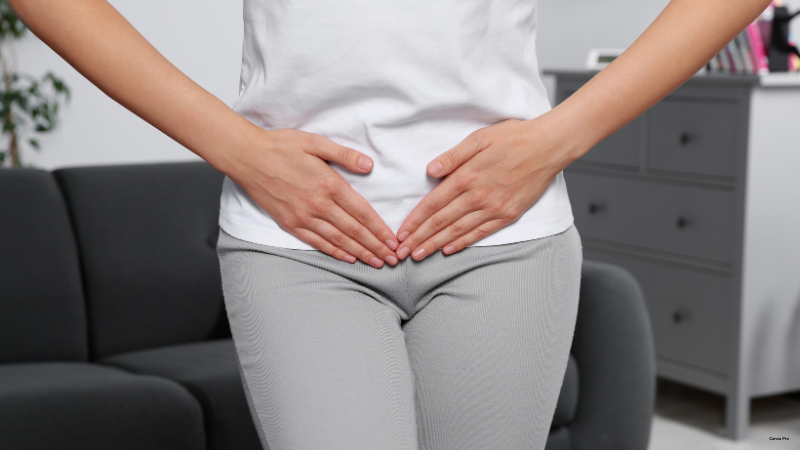

Pelvic floor muscles support vital organs, influence core strength, and require proper care post-menopause to prevent issues like incontinence and pain during intimacy.
Pelvic floor problems can become more likely due to hormonal changes, especially those linked to menopause. These issues can include incontinence or pain during intimacy. However, maintaining pelvic floor health involves more than just performing Kegel exercises.
To clear up any misunderstandings, Pauline H. Lucas, a pelvic floor physical therapist and women’s health expert at Mayo Clinic in Arizona, shares key insights about pelvic floor muscles after menopause.
What is the pelvic floor?
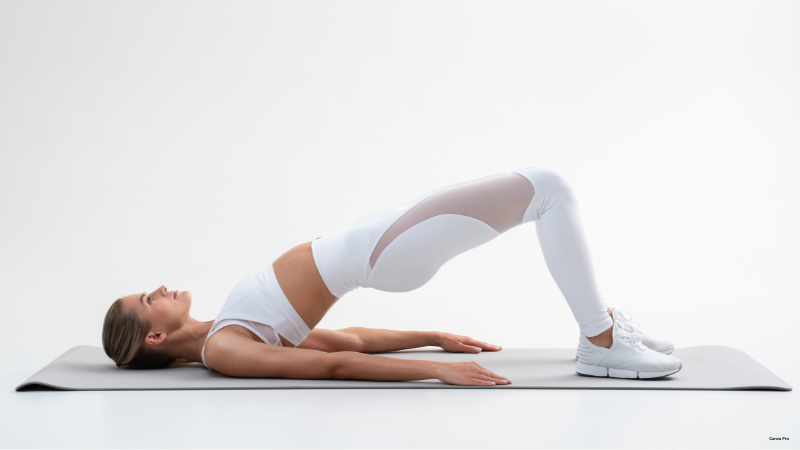
The pelvic floor consists of muscles and connective tissues that support the bladder, rectum, and reproductive organs. These muscles stretch between the pubic bone at the front and the tailbone at the back of your pelvis. Think of it as a hammock inside your pelvic area, helping to keep your internal organs in place.
Dr. Lucas emphasizes that the pelvic floor plays a crucial role in core strength. “Many people think the core is just about the abs, but it includes the pelvic floor muscles along with the abdomen, back, and hips.”
The pelvic floor muscles play an essential part in everyday body functions. They help:
- Control the release of urine, stool, and gas, maintaining bladder control.
- Keep the pelvic bones and spine stable.
- Aid in sexual health. Strong pelvic floor muscles may enhance sexual pleasure and intensify orgasms.
You may also read: Strength training: Benefits, tips, and how to get started right
The pelvic floor is present in everyone, regardless of gender. People assigned female at birth have three openings in their pelvic floor: vaginal, anal, and urethral. Those assigned male at birth have two openings: the anal and the urethral.
Various life events, such as pregnancy and childbirth, often weaken the pelvic floor muscles. The uterus grows during pregnancy and puts pressure on the pelvic floor. Hormonal shifts during pregnancy also reduce the elasticity of these important muscles.
Certain factors can increase the risk of developing pelvic floor problems. These include ageing, chronic constipation, smoking, family history of related issues, and menopause. Hormonal changes during menopause may decrease muscle mass and weaken the pelvic floor. This weakening can sometimes lead to discomfort or pain in the vaginal area during or after intimacy.
Signs your pelvic floor muscles might be weak
You might notice signs of a weak pelvic floor, such as:
- Urinary incontinence. This refers to unexpected urine leakage or a sudden, strong urge to urinate. Some might also experience stress incontinence, which involves leaks when sneezing, laughing, or coughing.
To assess your pelvic floor strength, try placing one or two fingers into the vagina and attempting to tighten your muscles. It should feel similar to “closing” the vaginal opening or holding in gas. Dr. Lucas explains, “If you’re doing it correctly, you’ll notice the muscles squeezing around your fingers and feel a gentle pull inward.” If you have trouble activating these muscles or don’t feel any tightening, it may be beneficial to consult a pelvic floor physical therapist or a women’s health specialist.
You may also read: Aging Well: Four Key Factors to Extend Life and Healthspan
Another method to check your pelvic muscles is to sit on the toilet and try to stop your urine midstream. However, Dr. Lucas cautions against relying on this technique. “Stopping urine flow once or twice can demonstrate how your pelvic floor muscles work. But it’s not advisable to use this as a regular exercise,” she says. “This is just a way to learn how to engage those muscles, not to strengthen them over time.”
Be cautious when performing Kegels or other pelvic floor exercises at home
To strengthen weak pelvic floor muscles, you can perform exercises like Kegels or try specialized therapeutic methods. These pelvic floor exercises help reinforce weak muscles and address or prevent problems like incontinence.
Some individuals attempt to manage pelvic floor issues independently using online guides and videos, but this approach may not be effective for everyone.
Many people believe that Kegel exercises at home can resolve every pelvic floor issue. This misconception can lead to errors, as performing these exercises without proper guidance could exacerbate problems or may not address your specific needs.
You may also read: Relaxation techniques: Learn simple ways to ease stress
Dr. Lucas points out that strengthening exercises aren’t suitable for everyone, particularly those with tight or tense pelvic floor muscles. She explains that when muscles are overly tight, they must be relaxed, stretched, and loosened before focusing on building strength. Signs of an overactive pelvic floor include chronic constipation, difficulty initiating urination, pain during intimate moments, or general discomfort in the pelvic area.
To effectively treat pelvic floor issues, individuals should consult a pelvic health physical therapist or healthcare provider. These experts can assess the problem, provide clear instructions, and develop a comprehensive treatment plan, which may include the use of kegel balls or other specialized tools.
You may also read: Belly Fat in Women: What It Means and How to Handle It
Dr. Lucas also shares some general advice to improve pelvic floor health:
- Stay active. Prolonged sitting can weaken muscles, including those in your pelvic floor.
- Strengthen your core. Exercises that target your hips, abs, and back benefit your pelvic floor as it is part of your core muscles. Dr. Lucas recommends trying Pilates, yoga, or resistance training.
- Be cautious when lifting heavy loads or weights. Lifting heavy objects may put excessive pressure on your pelvic floor muscles, leading to strain instead of engagement. Ensure proper posture and technique when handling heavy items. If you notice urine leakage during physical activities, consult your doctor about potential incontinence issues.
By following these guidelines and seeking professional advice when needed, you can maintain a healthy pelvic floor and prevent or address issues such as urinary incontinence and weak pelvic floor muscles.
Disclaimer:
The content on this website is meant to support, not replace, medical treatment and advice. Please seek professional advice if you believe you may have a condition. No content on this site should ever be construed as a substitute for medical advice from your doctor or other healthcare professional.
Source: Sara Youngblood Gregory (Sept. 25, 2025). Pelvic floor strengthening after menopause — Here’s what to know. Mayo Clinic Press. https://mcpress.mayoclinic.org/women-health/pelvic-floor-strengthening-after-menopause-heres-what-to-know/
#pelvic_floor_exercises_after_menopause, #how_to_strengthen_pelvic_floor_muscles_post_menopause, #pelvic_floor_physical_therapy_for_menopausal_women, #signs_of_weak_pelvic_floor_muscles_in_menopause, #managing_pelvic_floor_pain_during_menopause, #best_workouts_for_pelvic_floor_health_after_50, #pelvic_floor_incontinence_treatment_options, #pelvic_floor_muscle_relaxation_techniques, #effects_of_menopause_on_pelvic_floor_strength, #pelvic_floor_health_tips_for_aging_women, #pelvic_floor_strengthening_vs_relaxation_exercises, #professional_pelvic_floor_therapy_benefits