
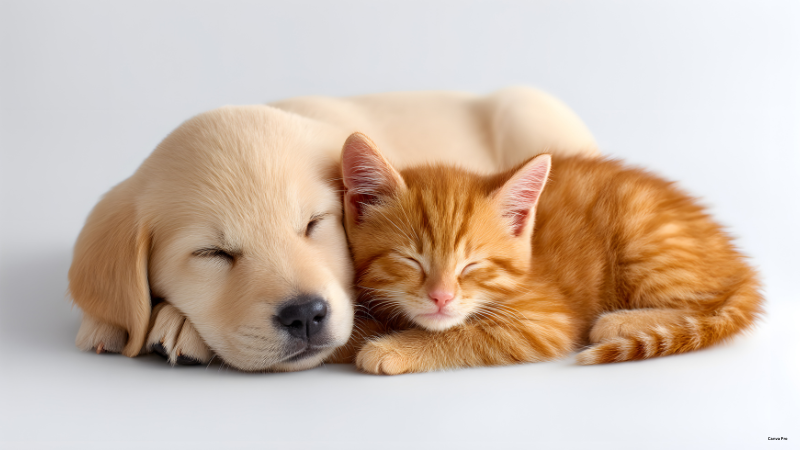

Pets and Cognitive Health: Exploring how owning dogs and cats supports memory, language skills, social interaction, and emotional wellbeing to slow cognitive decline and promote successful aging.
Pets and Cognitive Health: As life spans increase and dementia rates rise, researchers have discovered that owning a pet can surprisingly help guard against cognitive decline. Your pets might be doing more than keeping you company. They might help keep your mind sharp. Longitudinal studies suggest that owning a four-legged pet is linked to improved cognitive function and slower cognitive decline. This could help pet owners hold onto certain mental skills as they age, offering a promising step in preventive healthcare and successful aging.
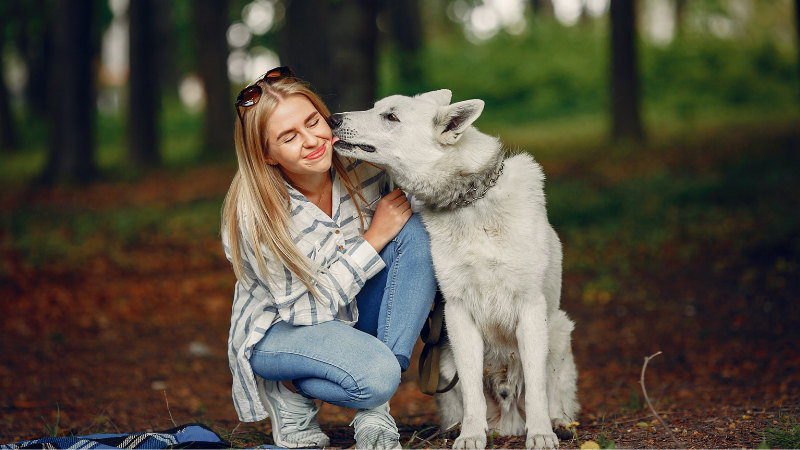
Interestingly, the type of pet you have seems to matter when it comes to cognitive performance. Research shows dog owners are better at remembering things, both in the short and long term, potentially benefiting their episodic memory and working memory. Meanwhile, cat owners tend to retain their verbal communication skills more, suggesting an impact on language function.
You may also read: Gratitude and Mental Health: Transforming Brain and Wellbeing
When looking at the link between pets and keeping the brain sharp, not all pets seem to provide the same effects on cognitive trajectories. Even though fish and birds might be lovable, owning them does not clearly connect to cognitive benefits.
Adriana Rostekova, the lead researcher of the study published in Scientific Reports, said, “Research shows that sustained pet ownership can have a positive effect on cognitive function and its decline as pet owners age. But we still don’t understand how various kinds of pets might affect these results in different ways.”
Rostekova analyzed data from 18 years and eight waves of the Survey of Health and Retirement in Europe, a series of longitudinal studies. She worked with the lifespan developmental psychology research group at the University of Geneva to explore patterns of cognitive decline among pet owners over 50 and how long-term pet ownership might contribute to cognitive resilience. Additionally, she considered findings from the Baltimore Longitudinal Study of Aging, which provided complementary insights into the cognitive benefits of pet ownership.

She looked at the effects of owning different pets, including dogs, cats, birds, and fish, on cognitive assessment results. “The main finding of our study was the clear differences in impacts between various species on cognitive vitality,” she shared.
Rostekova explained that owning birds and fish did not connect to patterns of cognitive decline. This suggests that the mental benefits of having pets might be more linked to cats and dogs rather than pet ownership in general.
You may also read: Traumatic Stress: Understanding Reactions, Coping, and Healing
“Several reasons could clarify why owning fish and birds doesn’t seem to connect with similar benefits, despite research showing they can affect wellbeing in ways that often lead to cognitive advantages,” she said.
She added, “The short lifespans of fish might prevent people from forming strong pet attachment. As for bird owners, the extra noise could disturb sleep, and poor sleep has ties to cognitive issues.”
Rostekova also mentioned, “Spending time with dogs and cats might offer specific cognitive stimulation, which may not be as noticeable with pets that need less human-animal interaction.”
You may also read: Relaxation techniques: Learn simple ways to ease stress
Other research has shown more activity in the prefrontal area of the brain, along with better attention and emotional reactions when people interact with dogs, potentially improving immediate recall and delayed recall.
Studies found that both the prefrontal cortex and inferior frontal gyrus become more active when people interact with cats. This might connect to how unique and unpredictable cats are, providing a different form of cognitive stimulation.
“The cognitive advantages might stem from the way cats and dogs encourage social interactions,” Rostekova said. “This may help slow down mental decline in pet owners by strengthening social support networks. Dogs, for instance, often give people chances to meet others while walking, while cats can replace social connections in a meaningful way, providing emotional support.”
Healthcare systems everywhere are dealing with the challenges of aging populations and rising cases of mild cognitive impairment. Experts believe these discoveries about pet ownership patterns could change how we view healthy aging and affect what pets people choose for cognitive benefits.
Andrew Scott, who wrote The Longevity Imperative and lives with a cat while liking dogs just as much, said: “We think about health in terms of sickness and hospitals. But as pet owners live longer, we should focus on staying healthy over the long run by taking preventive steps. It turns out taking care of your health is more than just seeing doctors or taking medicine for cardiovascular health.”
“It comes down to how we live day to day. This study shows a fun and fulfilling way to stay healthy and connected. A lot of common health advice can feel boring or lonely, like fasting by yourself. Owning a pet, on the other hand, gives you joy and companionship. When something so enjoyable also helps with cognitive performance and psychomotor speed, it’s worth noting for those interested in successful aging.”
Source:
Amelia Hill (July 5, 2025). Owning dog or cat could preserve some brain functions as we age, study says. The Guardian. https://www.theguardian.com/science/2025/jul/05/dog-cat-ownership-could-preserve-specific-brain-functions-as-we-age-cognitive-decline
#pets_and_cognitive_health_benefits_for_seniors, #how_dogs_improve_memory_in_older_adults, #cat_ownership_and_language_skills_in_aging, #pet_ownership_and_slowing_cognitive_decline, #best_pets_for_mental_health_in_elderly, #cognitive_benefits_of_owning_dogs_and_cats, #pets_and_social_interaction_for_healthy_aging, #preventing_dementia_with_pet_companionship, #effects_of_pet_ownership_on_brain_function, #long-term_cognitive_resilience_and_pets, #mental_stimulation_from_dogs_and_cats, #emotional_support_pets_and_cognitive_health