
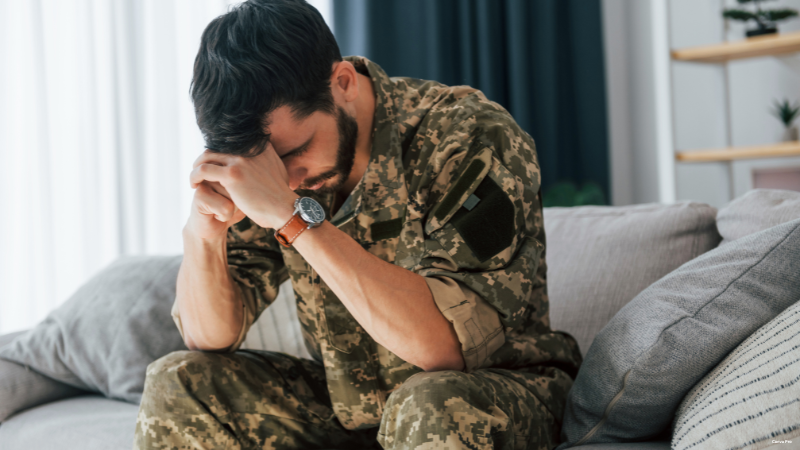

Traumatic stress impacts emotions and behavior, but with effective coping strategies and professional support, individuals can manage symptoms and work toward healing and recovery.
Traumatic stress arises when people experience difficult and upsetting events like natural disasters, personal tragedies, or war trauma, often leading to feelings of shock, sadness, or helplessness. Studies in psychology show that traumatic events and crises can leave short-term and long-lasting effects on the people involved. Research also reveals that being exposed to upsetting news can take a toll on the mental well-being and emotions of people who are not directly involved but are watching from afar. Understanding effective stress management techniques and developing strong coping skills is crucial for handling these situations.
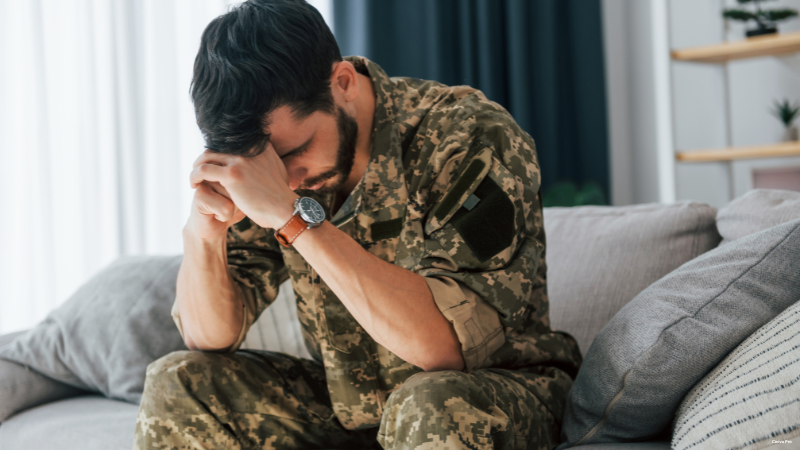
Usual Reactions and Ways People Cope with Trauma
The National Center for PTSD explains that people respond to trauma in many different ways. Right after a traumatic event happens, they might feel numb, confused, or struggle to make sense of what just occurred. As time goes on and those first reactions settle, people often go through emotional and behavioral shifts. Common responses might look like this:
- Strong or unexpected emotions. You could feel anxious, uneasy, sad, or overwhelmed. Sometimes moods might swing, and irritability can become more noticeable. In some cases, these feelings may escalate to depression symptoms or panic attacks.
- Shifts in how you think and act. You might find yourself recalling vivid images or memories of the traumatic event. These flashbacks can hit you out of the blue and might lead to physical reactions like sweating or a racing heartbeat. Sometimes, it gets tougher to concentrate or make choices. Your routines, like how you sleep or eat, might be thrown off—you could end up sleeping or eating way more, or the opposite, avoiding food and facing trouble falling asleep. Nightmares are also common among those experiencing traumatic stress.
- Reactions to surroundings. Sounds like sirens or loud noises might remind you of the traumatic event, causing you to feel anxious. These trauma-related triggers can leave you with fears of going through a similar situation once more, potentially leading to hypervigilance.
- Tense personal connections. You might notice your relationships getting more difficult, with disagreements happening more often with family or coworkers. At the same time, you could start pulling away from social events or skipping activities you enjoy.
- Physical warning signs from stress. Things like headaches, upset stomachs, or even chest discomfort might show up, and doctors may need to check these symptoms. Ongoing health problems could get worse because of the stress linked to trauma.
You may also read: Relaxation techniques: Learn simple ways to ease stress
Managing Traumatic Stress
Thankfully, there are dependable ways to handle and address stress caused by trauma. Experts in mental health and researchers have found these helpful coping strategies and coping skills:
- Rely on people close to you. Spend time with friends or family who support you. When you are ready to deal with what happened, talk to them about your feelings and experiences. You might also ask them to help with everyday tasks so you can feel less overwhelmed.
- Take care of yourself first. Try to eat healthy meals, stay active with exercise, and get enough rest. You can also try other helpful ways to cope, like creating art, listening to or playing music, practicing mindfulness, doing relaxing activities, or enjoying nature. Breathing exercises and progressive muscle relaxation can be particularly effective for emotional regulation and stress relief. These relaxation techniques can serve as valuable coping skills for managing traumatic stress.
- Develop cognitive coping skills. Cognitive coping involves using mental strategies to manage stress and negative thoughts. This can include positive self-talk, reframing negative situations, and problem-solving techniques. These cognitive coping strategies can be particularly helpful in dealing with the emotional aftermath of traumatic events.
You may also read: Stress relief methods: Learn simple tips to relax and ease stress
Be patient with yourself. It’s normal to want to steer clear of facing painful experiences. But shutting yourself at home, sleeping too much, isolating from loved ones, or turning to substance abuse to escape tough memories are not helpful coping strategies. These habits might feel comforting at first, but they can slow down your healing and make recovery take longer. Instead, try to bring back your usual routines. Talking to loved ones or seeking guidance from a counselor can help during this time.
When You Might Need Support
Not everyone who faces trauma needs therapy. Many people heal over time. Still, mental health professionals can offer useful advice to build good coping strategies after a difficult experience.
If you feel like your emotional struggles are affecting your relationships, work, or daily routine, you could be dealing with acute stress disorder or posttraumatic stress disorder (PTSD). Symptoms may include intrusive thoughts, emotional reactivity, and a heightened startle response. In severe cases, some individuals may experience suicidal ideation, which requires immediate professional intervention.
You may also read: Nighttime Anxiety: Calming Techniques That Actually Work
Help with Traumatic Stress
Therapists provide proven treatments to assist people in handling traumatic stress or acute stress disorder. Various therapeutic approaches are available to address different aspects of trauma processing.
One method called Psychological First Aid (PFA) was initially created to help kids, teens, adults, and families after disasters or acts of terrorism. Over time, people started using it to help anyone facing trauma. PFA works by recognizing that feeling upset after trauma is a natural reaction. Instead of treating this stress like a mental illness, it focuses on offering support, help, and resources to understand stress and find ways to cope with it. Crisis teams and mental health experts provide PFA during the first few weeks after a traumatic event. They do this in places like hospitals, shelters, community centers, or through helplines. The goal of PFA is to lower emotional distress and build better coping skills for both now and later on.
A widely recognized method is cognitive behavioral therapy, or CBT, which focuses on addressing mental health issues like traumatic stress. This therapy helps people spot and change negative ways of thinking and behaving, often referred to as cognitive distortions. The World Health Organization recommends using trauma-focused CBT to help adults deal with severe traumatic stress. Studies show that starting trauma-focused CBT might lower the chances of long-term PTSD.
Cognitive behavioral therapy often involves cognitive restructuring, a process that helps individuals identify and challenge unhelpful thought patterns. Cognitive restructuring is a key component of CBT that can help trauma survivors reframe their experiences and develop more balanced perspectives. This technique, along with other CBT strategies, can be particularly effective in managing trauma-related symptoms and promoting recovery.
You may also read: Spirituality and mental health: Finding peace within chaos
Another effective treatment option is exposure therapy, which helps individuals confront their fears in a safe, controlled environment. This can be especially helpful for those dealing with specific trauma-related triggers or avoidance behaviors. Prolonged exposure therapy is a specific type of exposure treatment that has shown promising results for trauma survivors, including combat veterans and those who have experienced war trauma. It often includes both imaginal exposure, where individuals revisit traumatic memories in a controlled setting, and in vivo exposure, which involves facing feared situations in real life.
Therapies created for children and teens who have faced abuse or tough childhood experiences often include their families. These treatments make a point to involve parents or primary caregivers in the healing process.
In addition to these structured therapies, many trauma survivors find relief through mindfulness-based techniques. These practices can help individuals stay grounded in the present moment, reducing the impact of intrusive memories and anxiety about the future.
Other therapeutic approaches that can be beneficial for trauma survivors include:
- Behavioral activation: This technique, often used within CBT, encourages individuals to engage in positive activities and behaviors to improve mood and reduce avoidance.
- Self-monitoring: This coping skill involves keeping track of thoughts, feelings, and behaviors related to trauma, which can help identify patterns and triggers.
- Stress inoculation training: This approach combines various techniques, including relaxation, cognitive restructuring, and coping skills training, to help individuals manage stress and anxiety related to trauma.
These various therapeutic approaches can be tailored to address specific types of trauma, such as those resulting from motor vehicle accidents, natural disasters, or interpersonal violence.
If you or a loved one is struggling to heal after a traumatic event, seeking help from mental health professionals can offer important support and direction. They can provide tailored therapeutic approaches to address your specific needs and promote symptom reduction and overall well-being. Whether you’re dealing with the aftermath of a natural disaster, personal loss, or other traumatic experiences, remember that effective coping strategies and professional support are available to help you on your path to recovery.
Source:
American Psychological Association (October 19, 2019, updated May 23, 2025). How to cope with traumatic stress. https://www.apa.org/topics/trauma/stress
#traumatic_stress_symptoms_and_treatment_options, #how_to_cope_with_traumatic_stress_naturally, #effective_coping_strategies_for_trauma_survivors, #cognitive_behavioral_therapy_for_traumatic_stress, #managing_traumatic_stress_after_natural_disasters, #psychological_first_aid_for_trauma_recovery, #exposure_therapy_for_PTSD_and_trauma, #mindfulness_techniques_for_traumatic_stress_relief, #signs_of_acute_stress_disorder_after_trauma, #trauma-focused_cognitive_behavioral_therapy_benefits, #self-care_tips_for_managing_traumatic_stress, #family_therapy_for_childhood_trauma_survivors, #stress_inoculation_training_for_trauma_anxiety